Melbourne’s Remnant River Red Gums
The Interest
Paul Caine and I have been friends since the late 1980s. One of the interests we share is in the conservation of the natural environment. Both as individuals and members of environmental organizations, we have planted a countless variety of trees, shrubs and grasses, pulled many thousands of weeds, and attended more meetings and written more letters and submissions than we care to remember. I can’t be sure if we have made any tangible difference to the current state of the planet or not, but we’ve given it a shot.
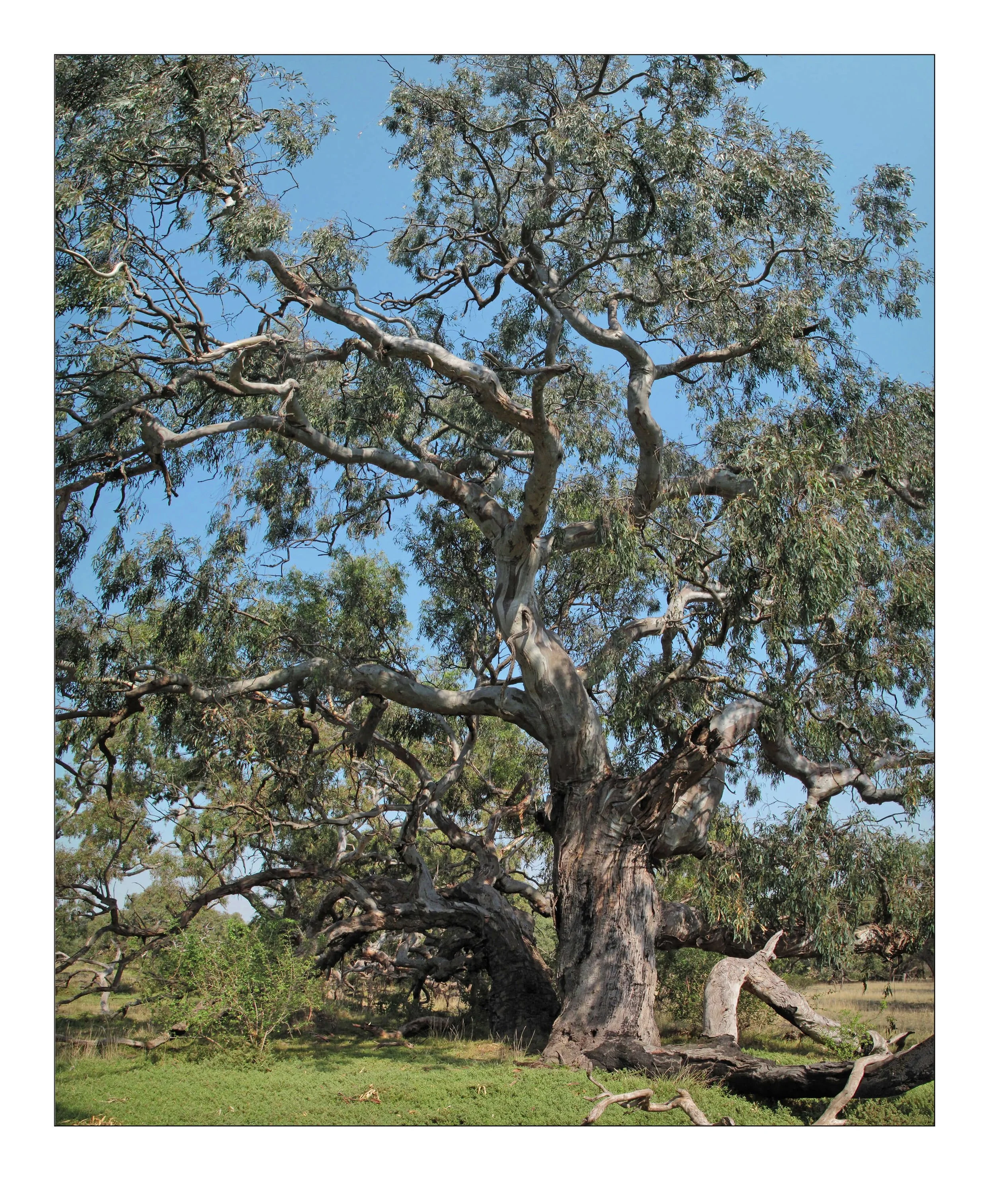
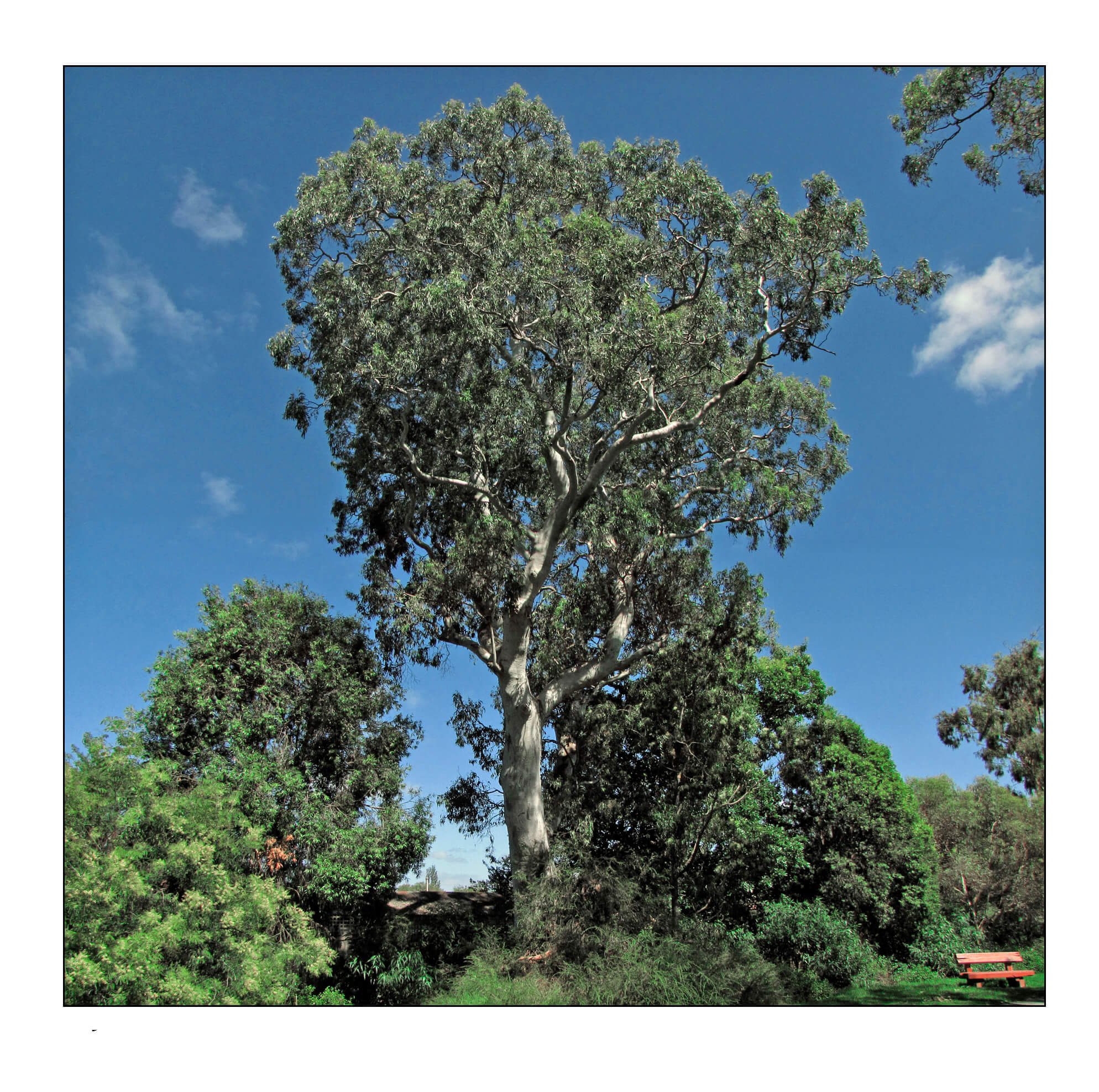
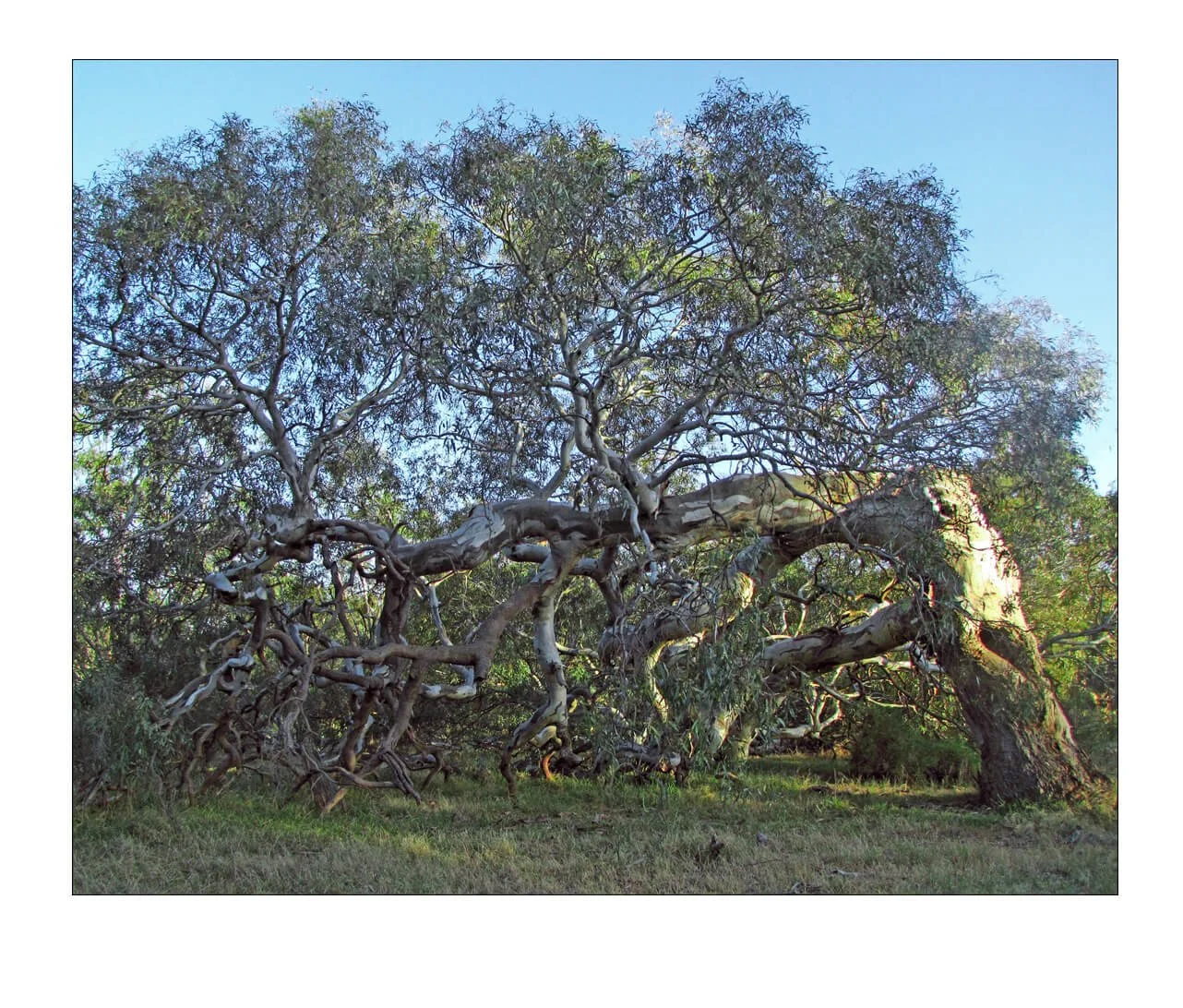
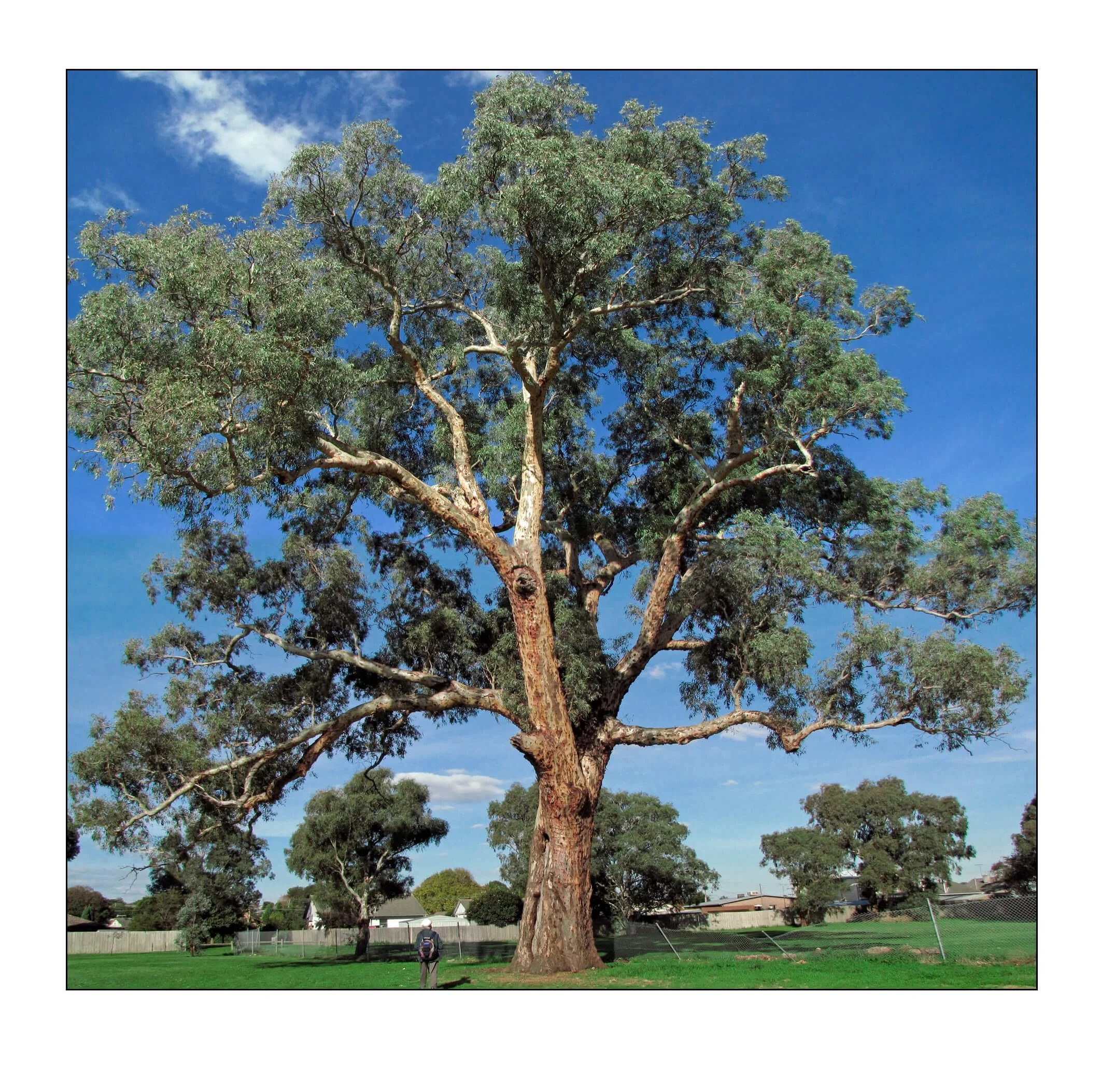
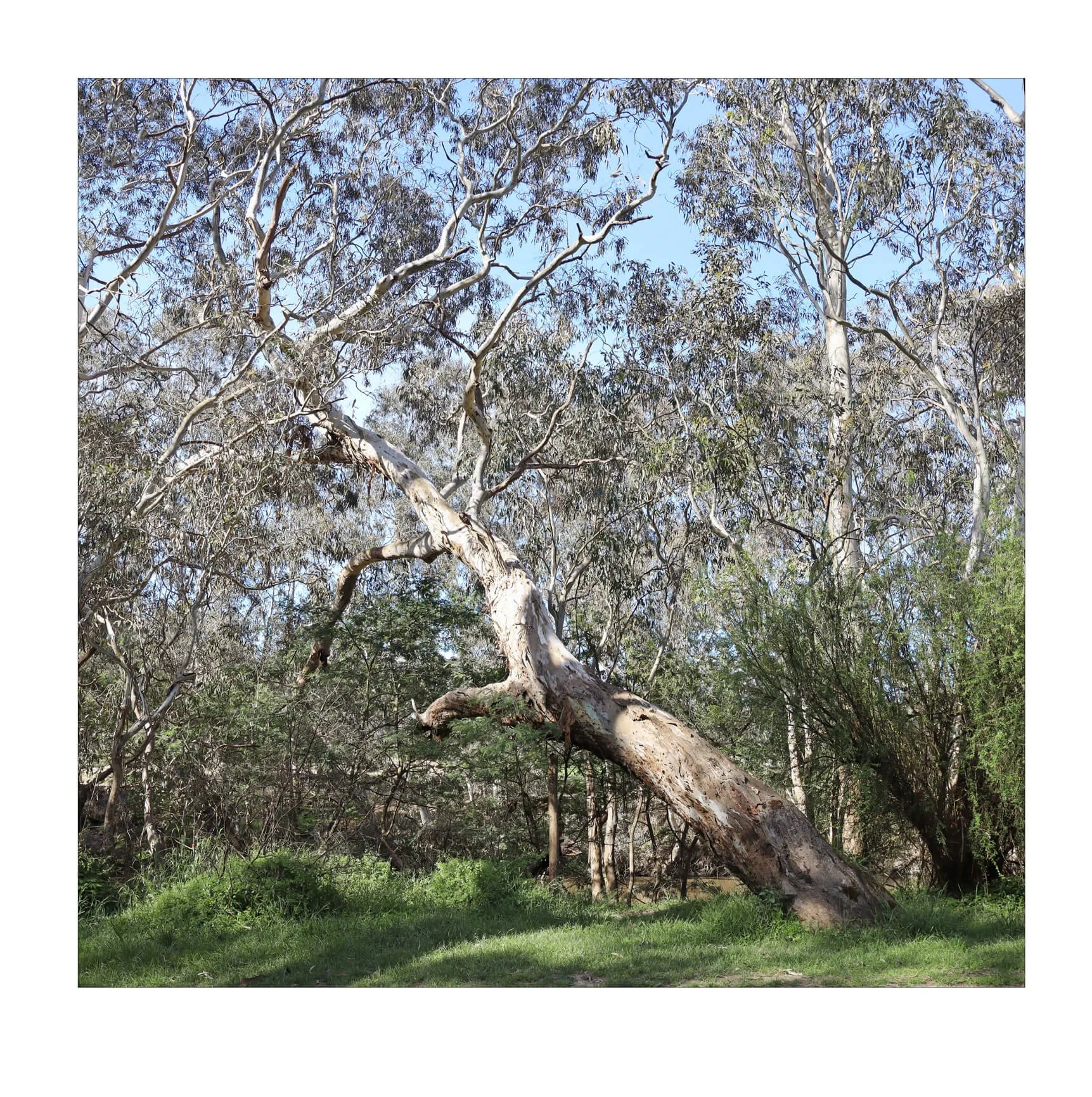
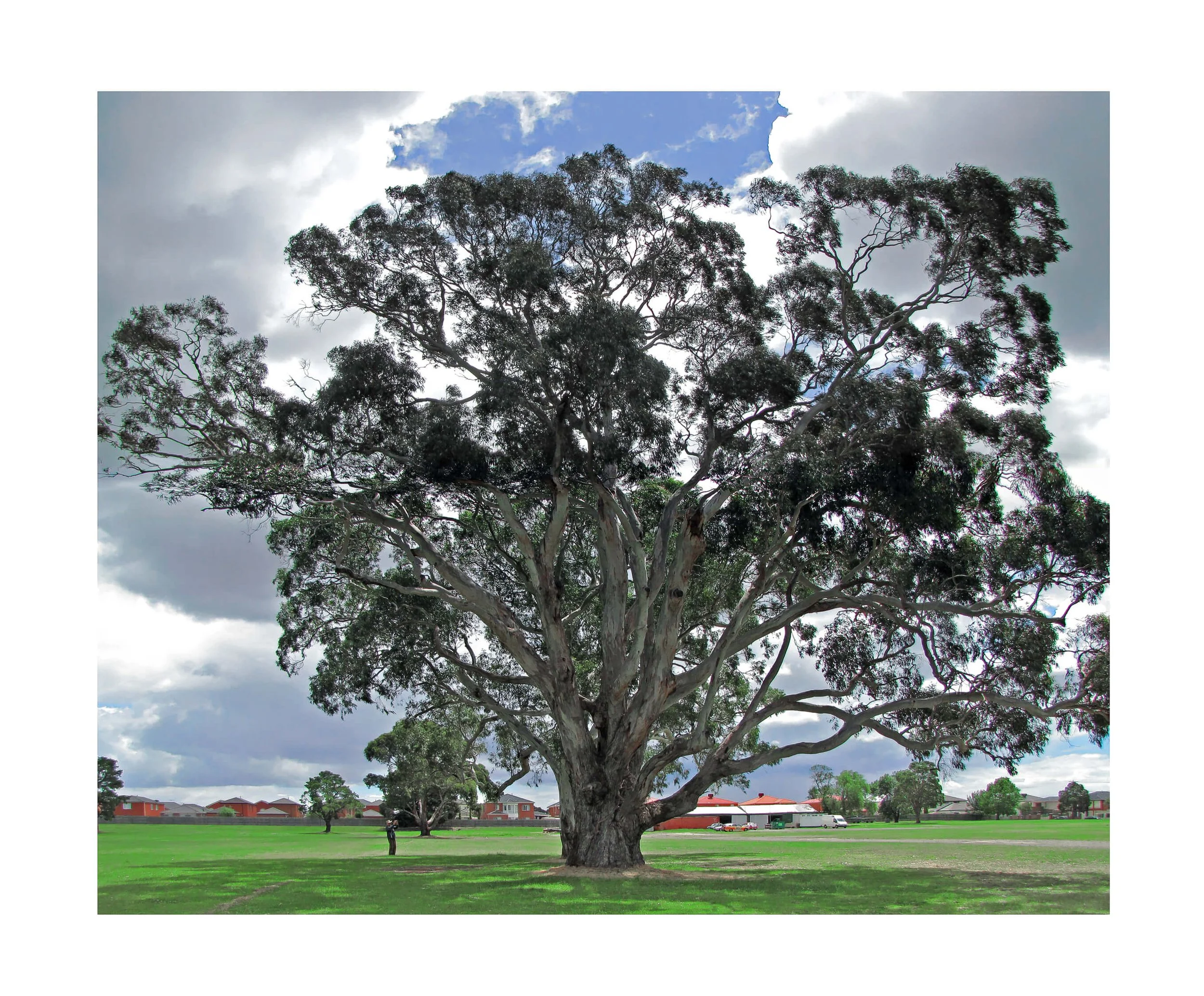
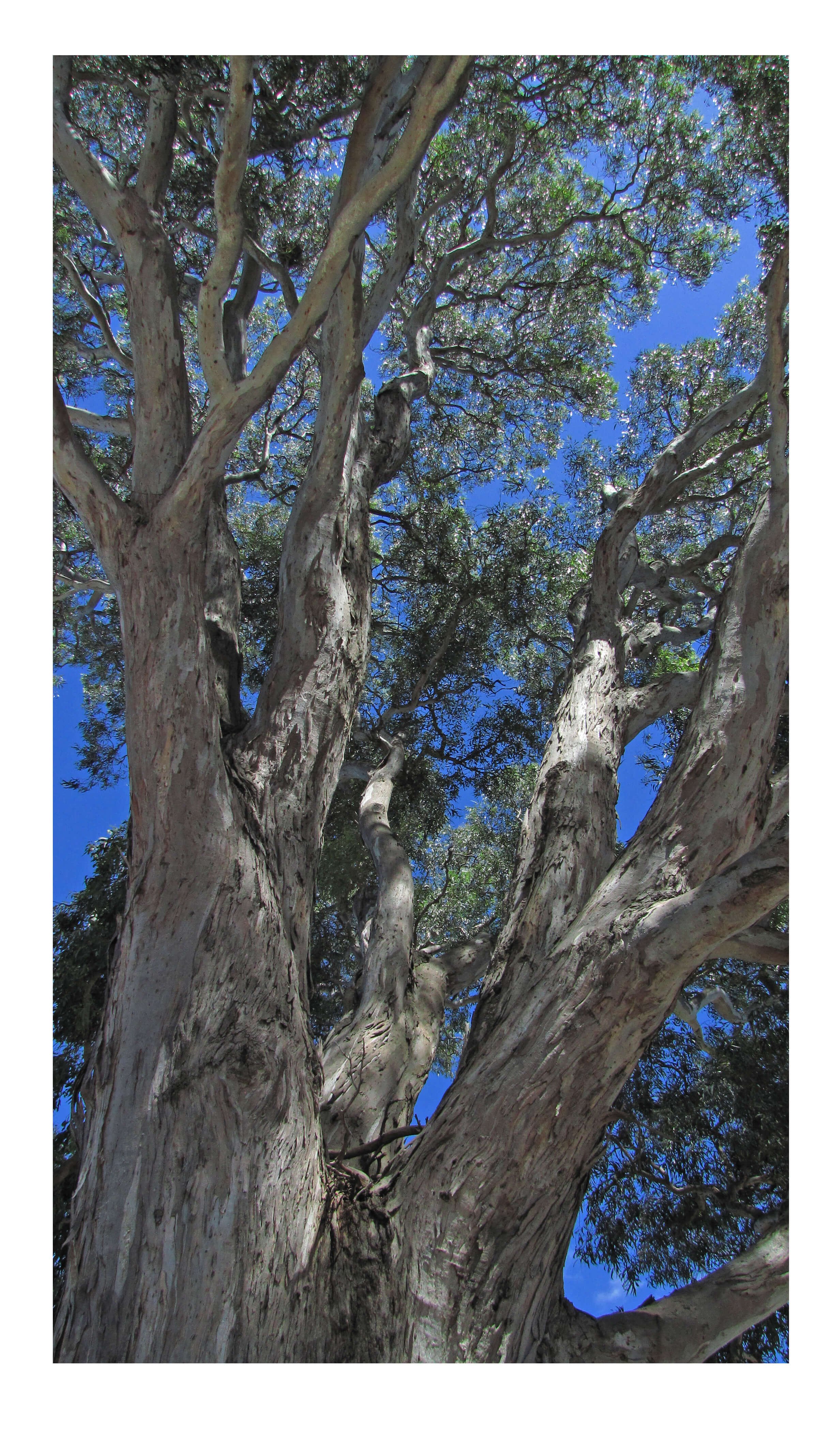
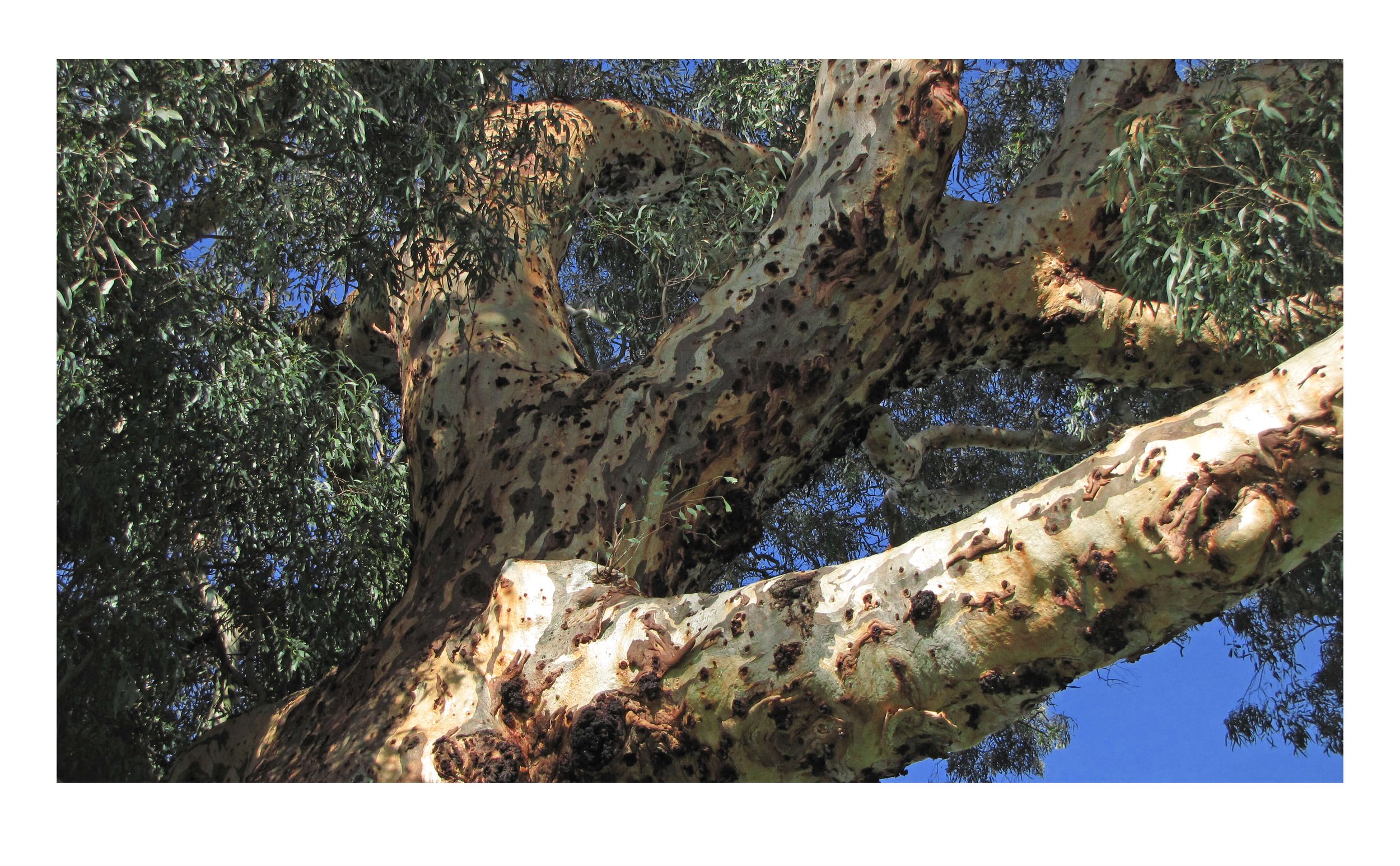
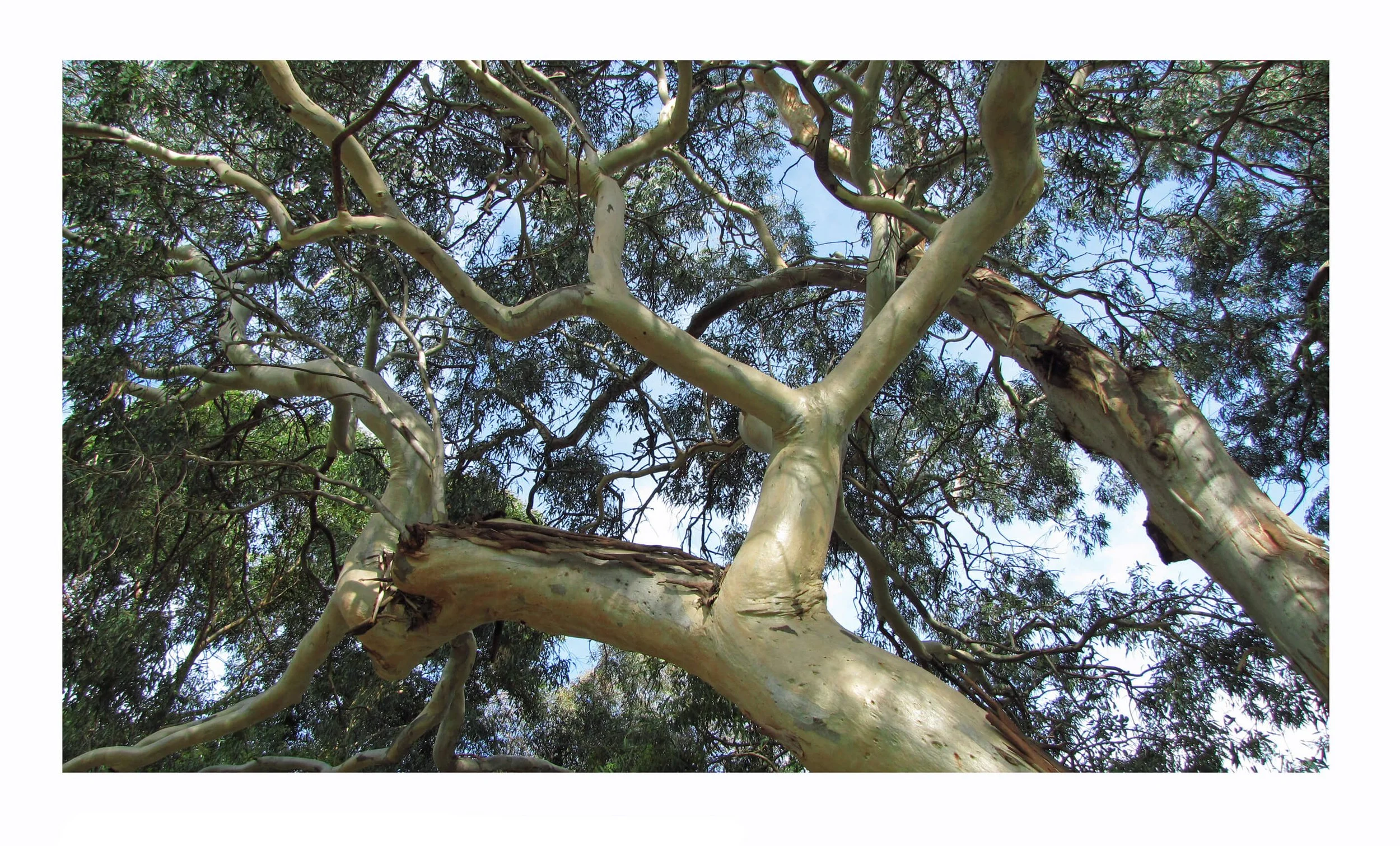
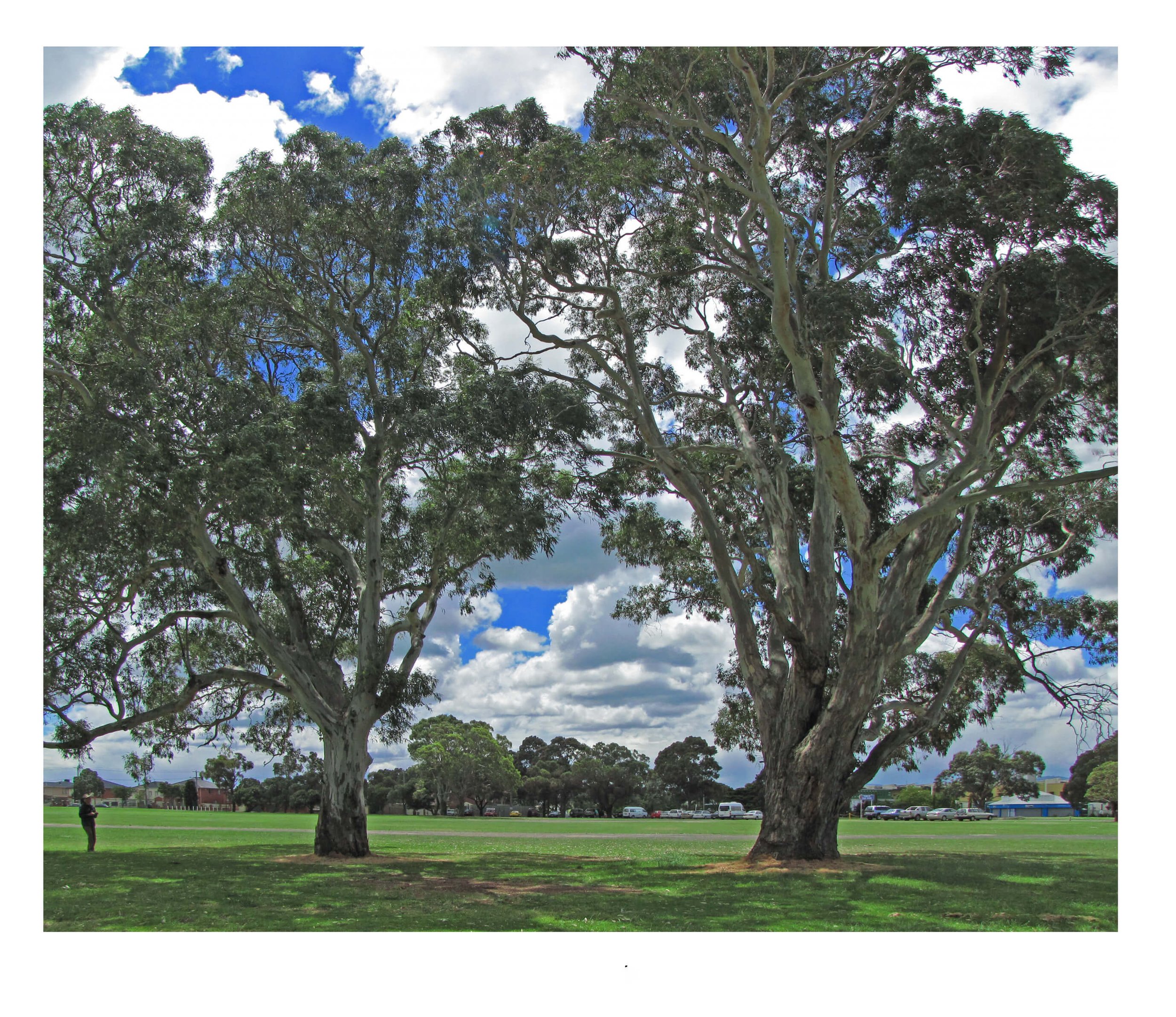
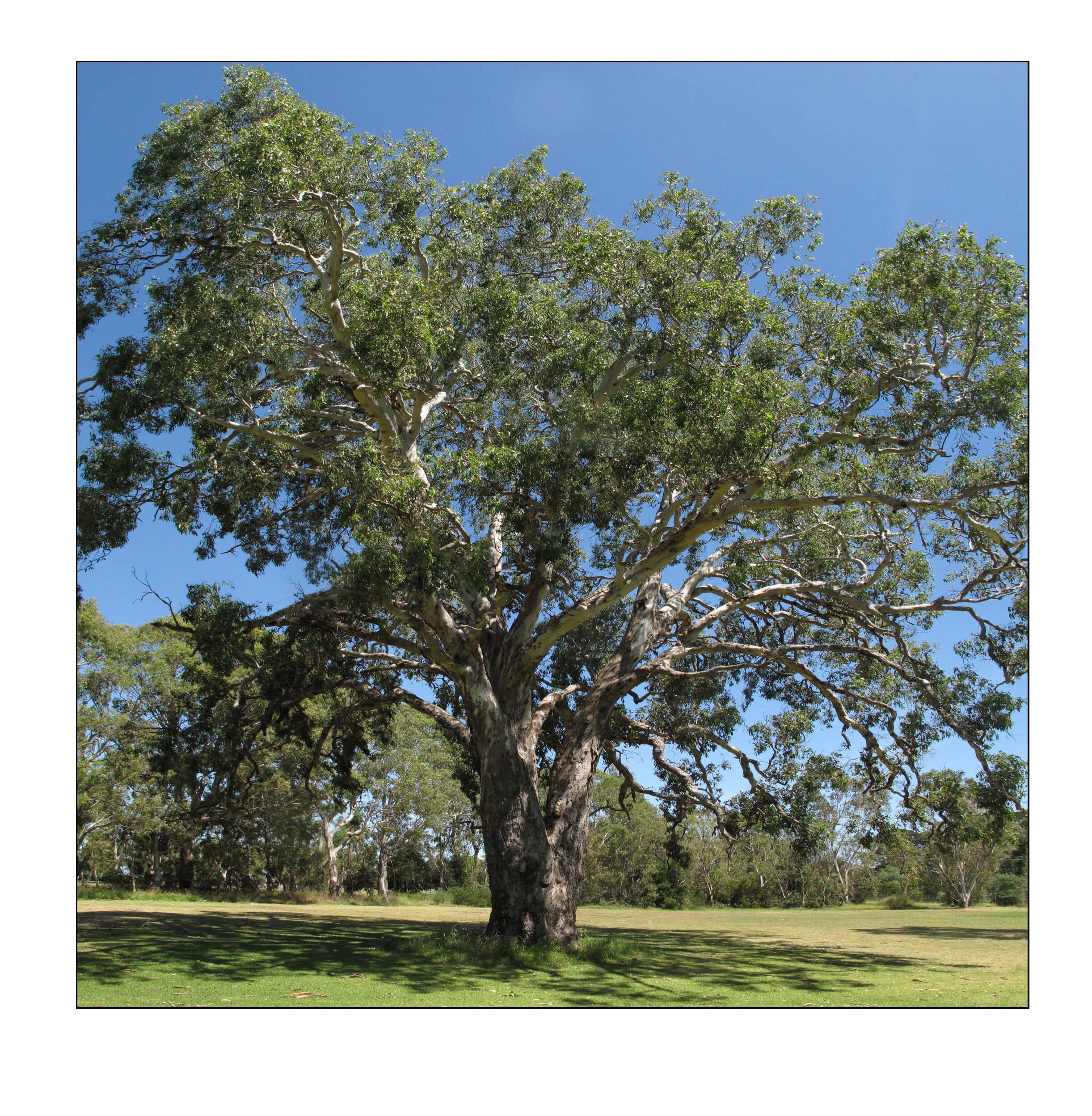
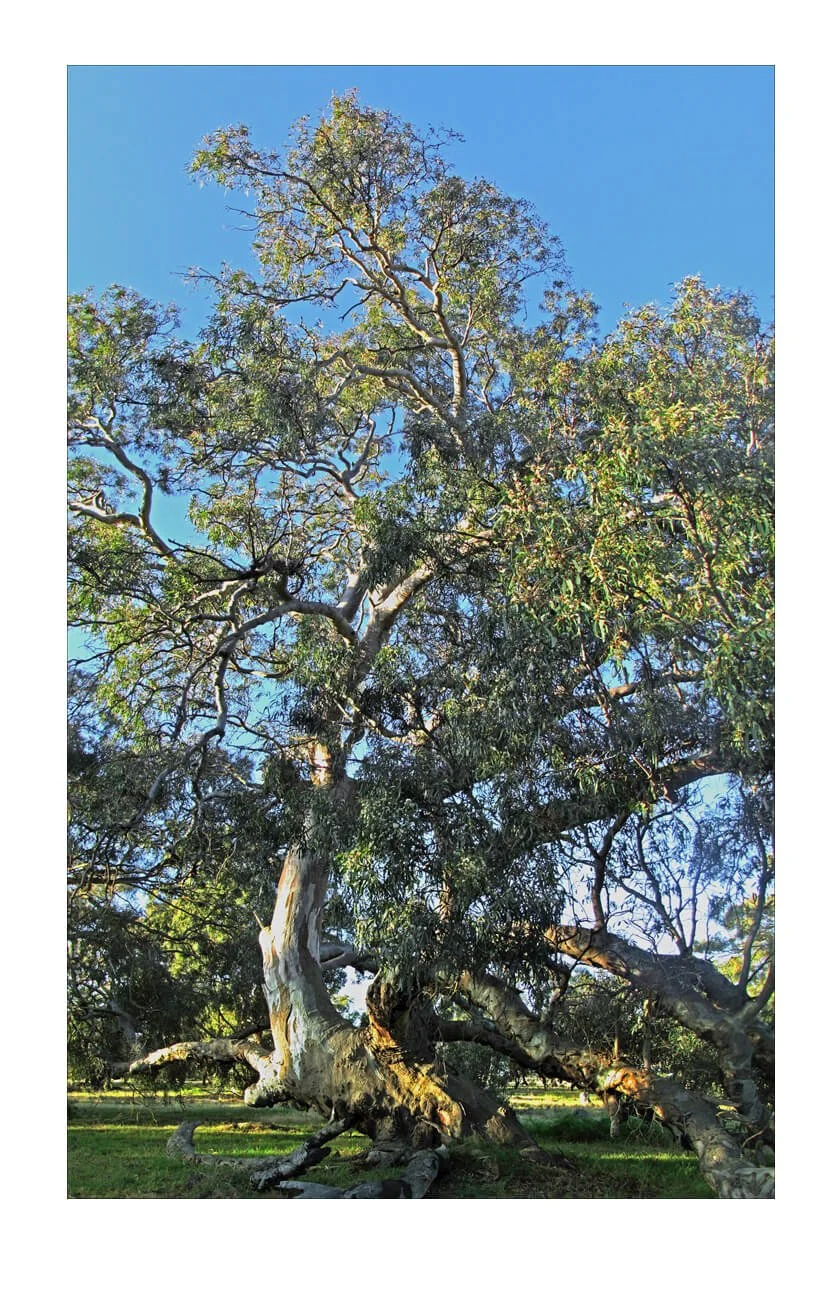
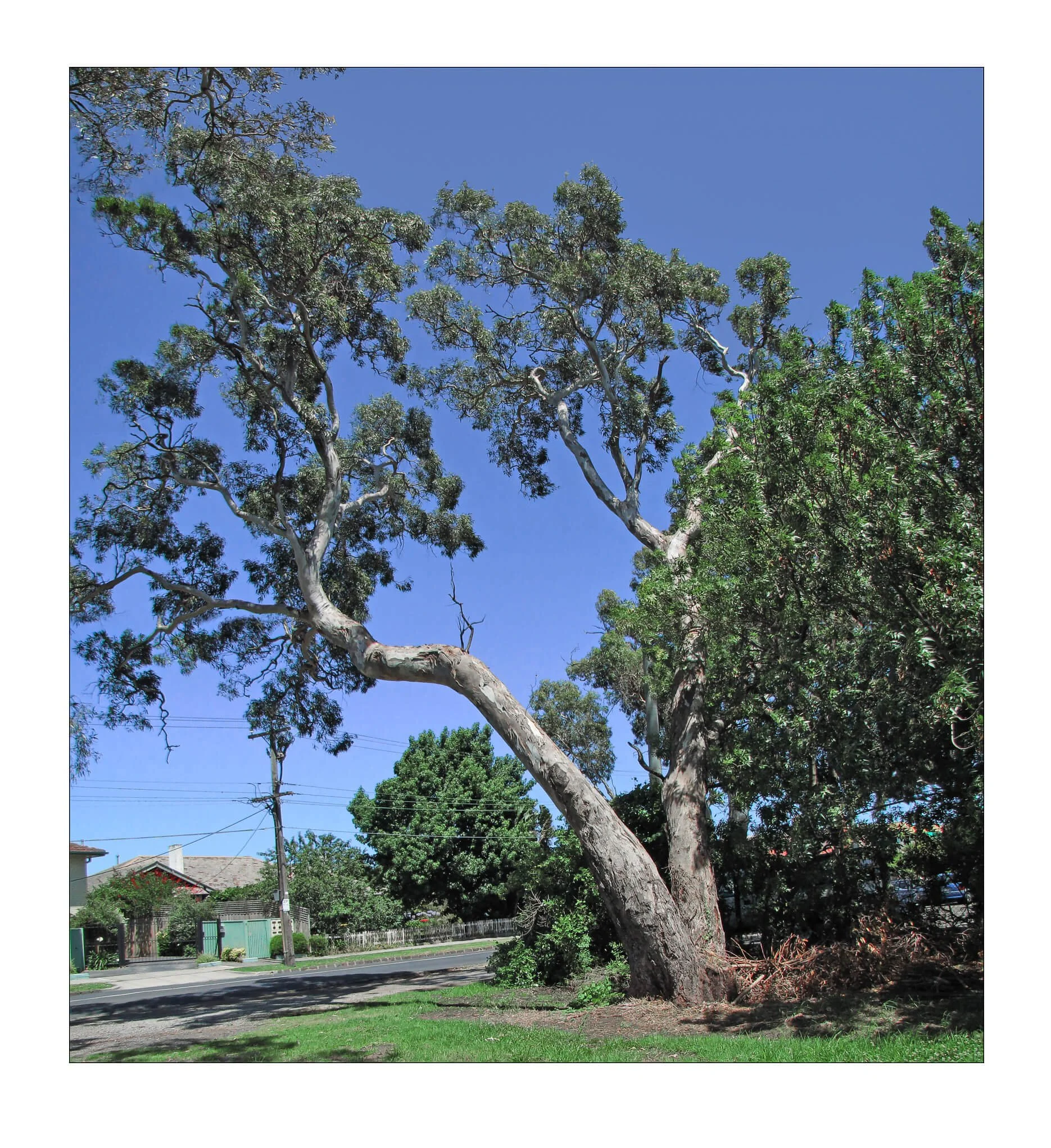
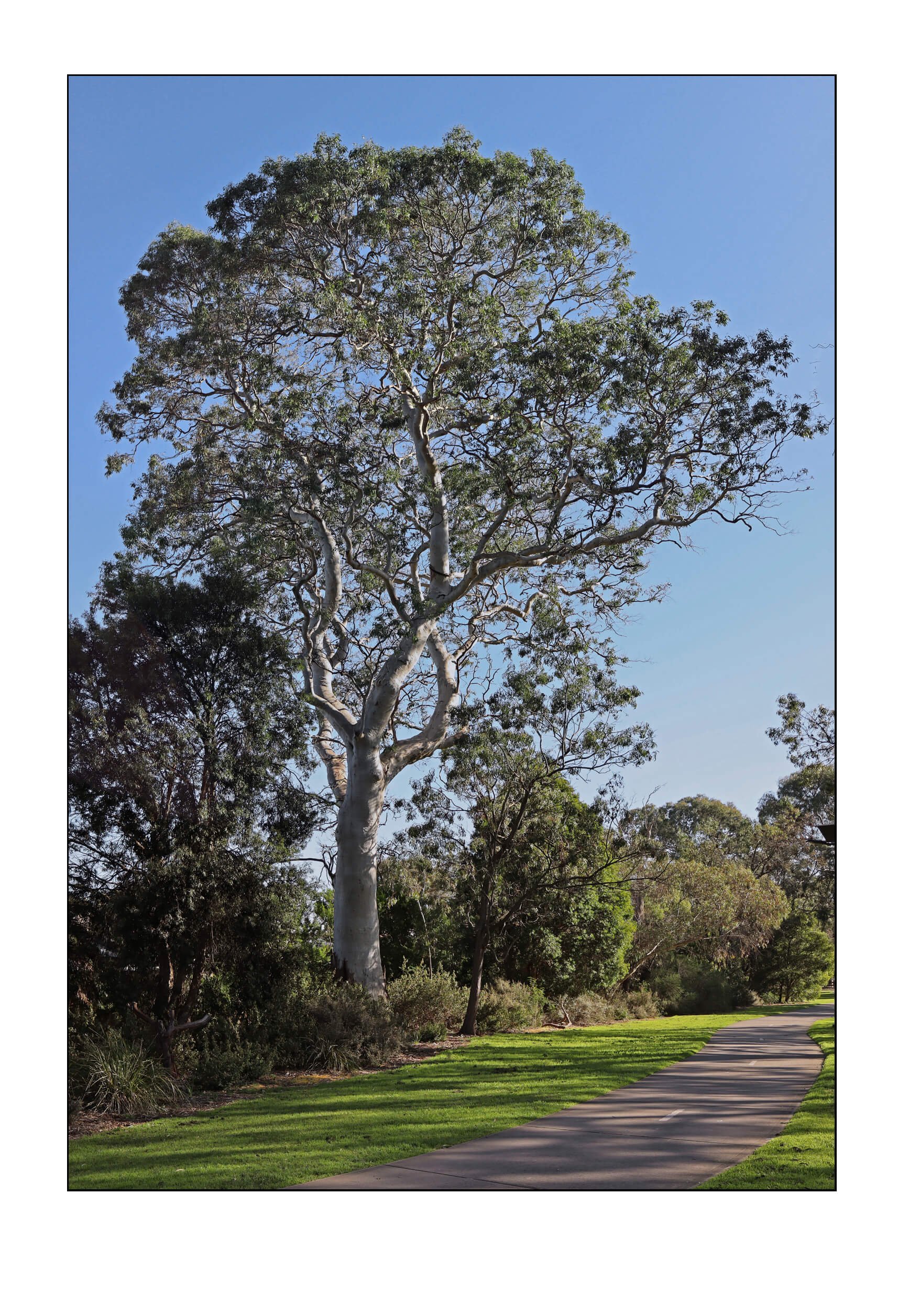
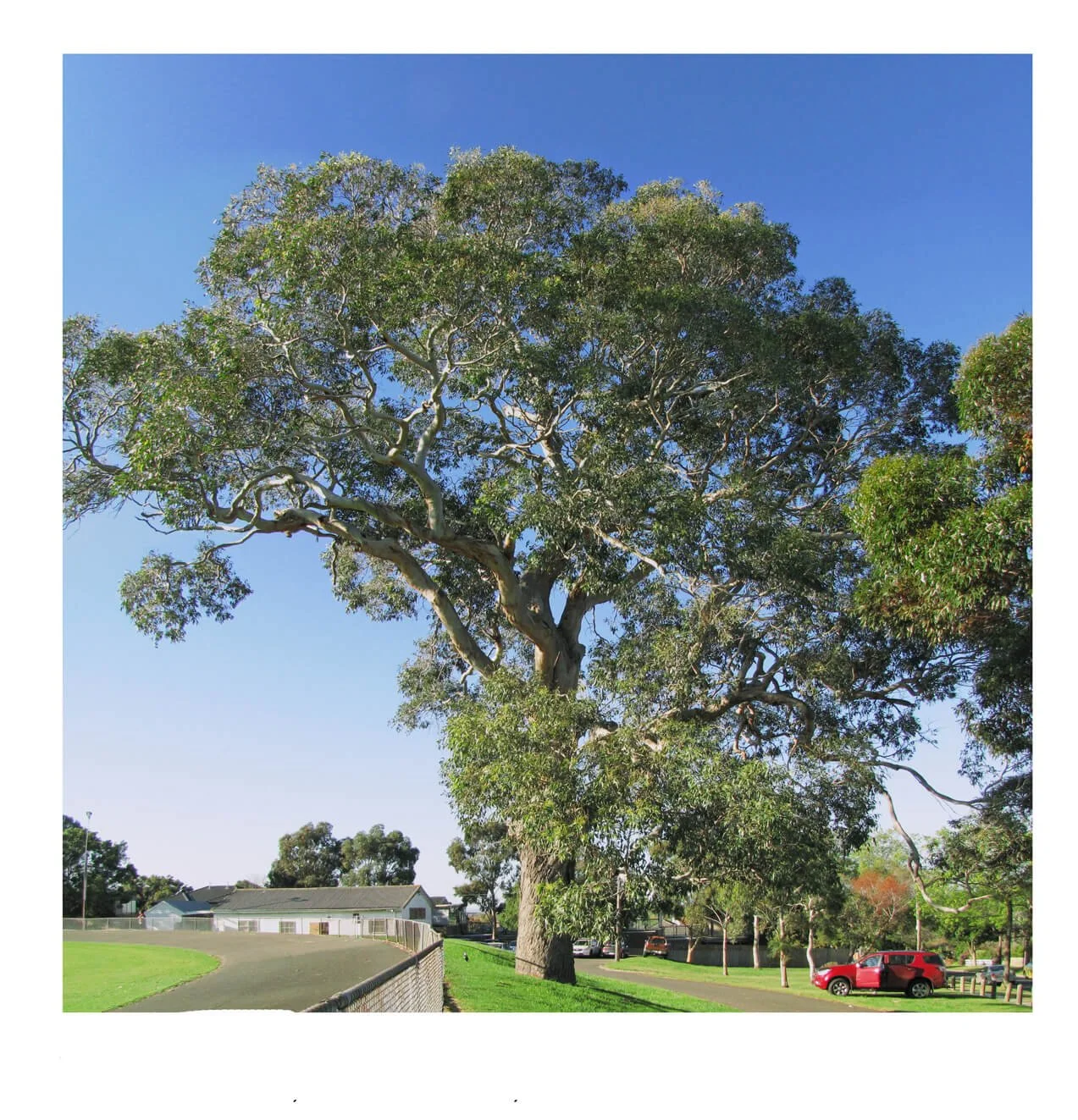
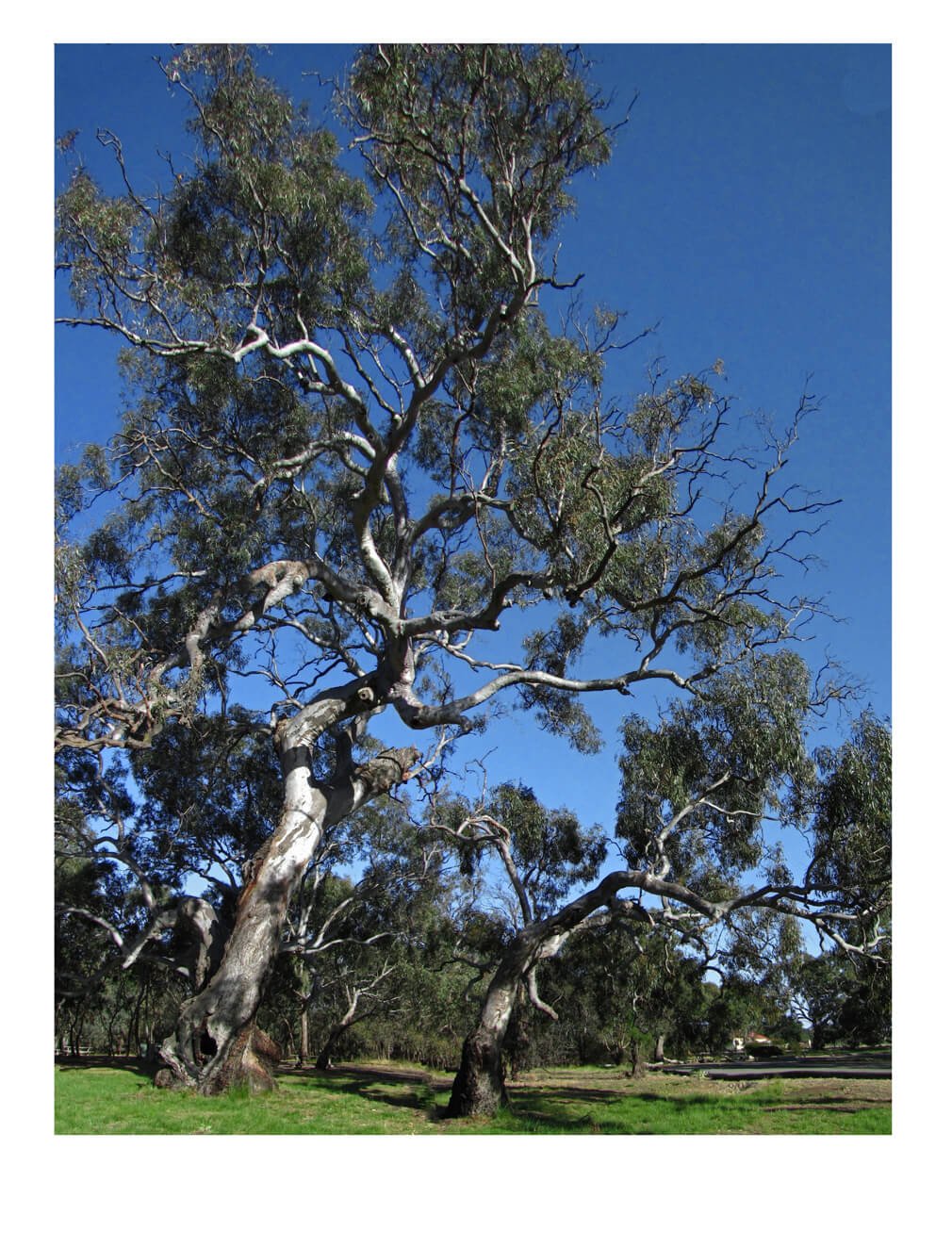
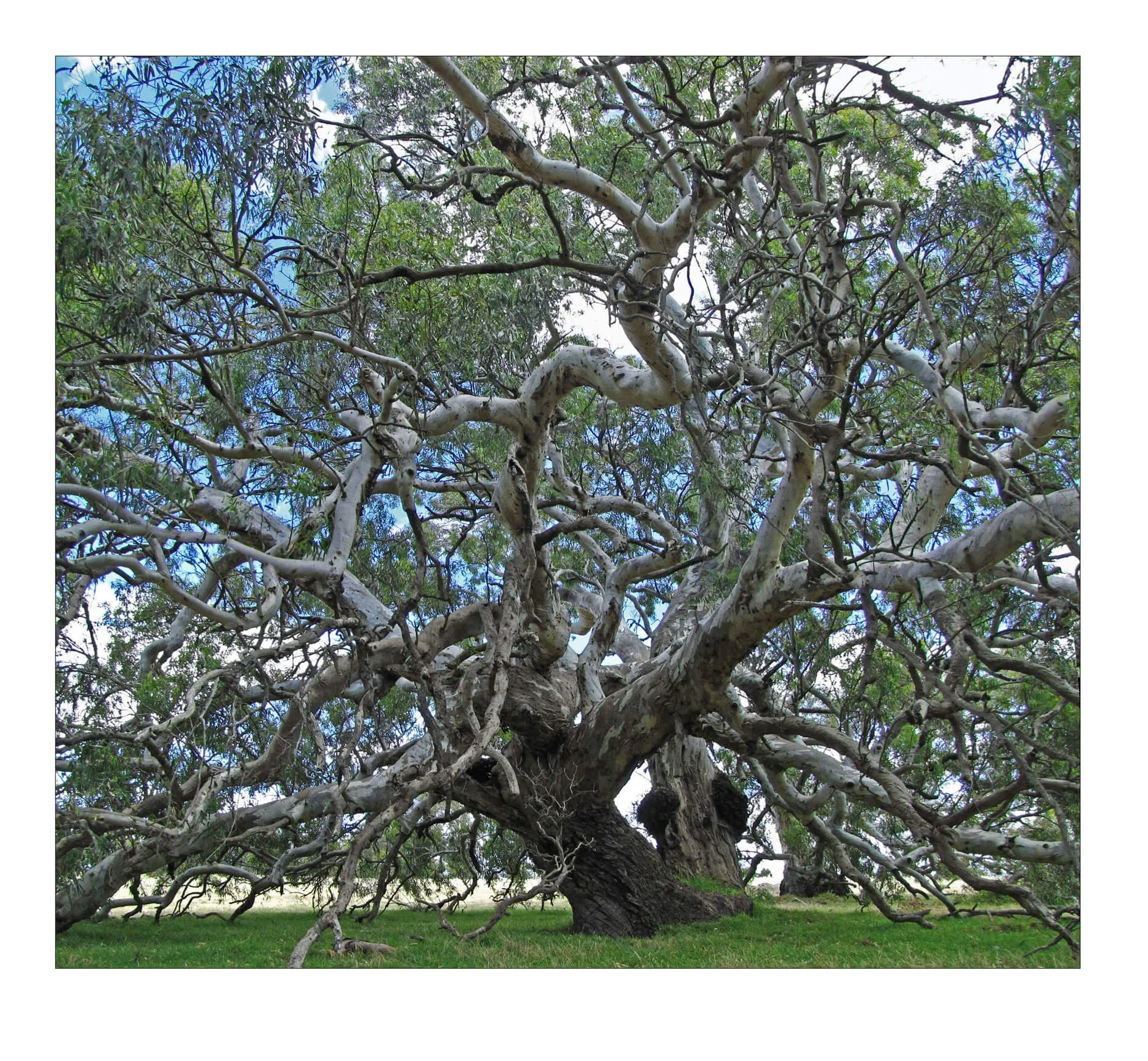
Paul has, for many years, been photographing remnant trees, mainly river red gums, in the south-eastern suburbs of Melbourne and beyond. He has an extraordinarily keen eye for spotting significant trees, and especially the large old ones. What follows the introduction to Melbourne’s remnant river red gums is a gallery of some of his photographs. Often ignored, it’s a miracle these trees have survived the unstoppable onslaught of development. Paul captures a moment in time for them, many of which were standing long before European colonization. May they all stand a little longer.
The Trees
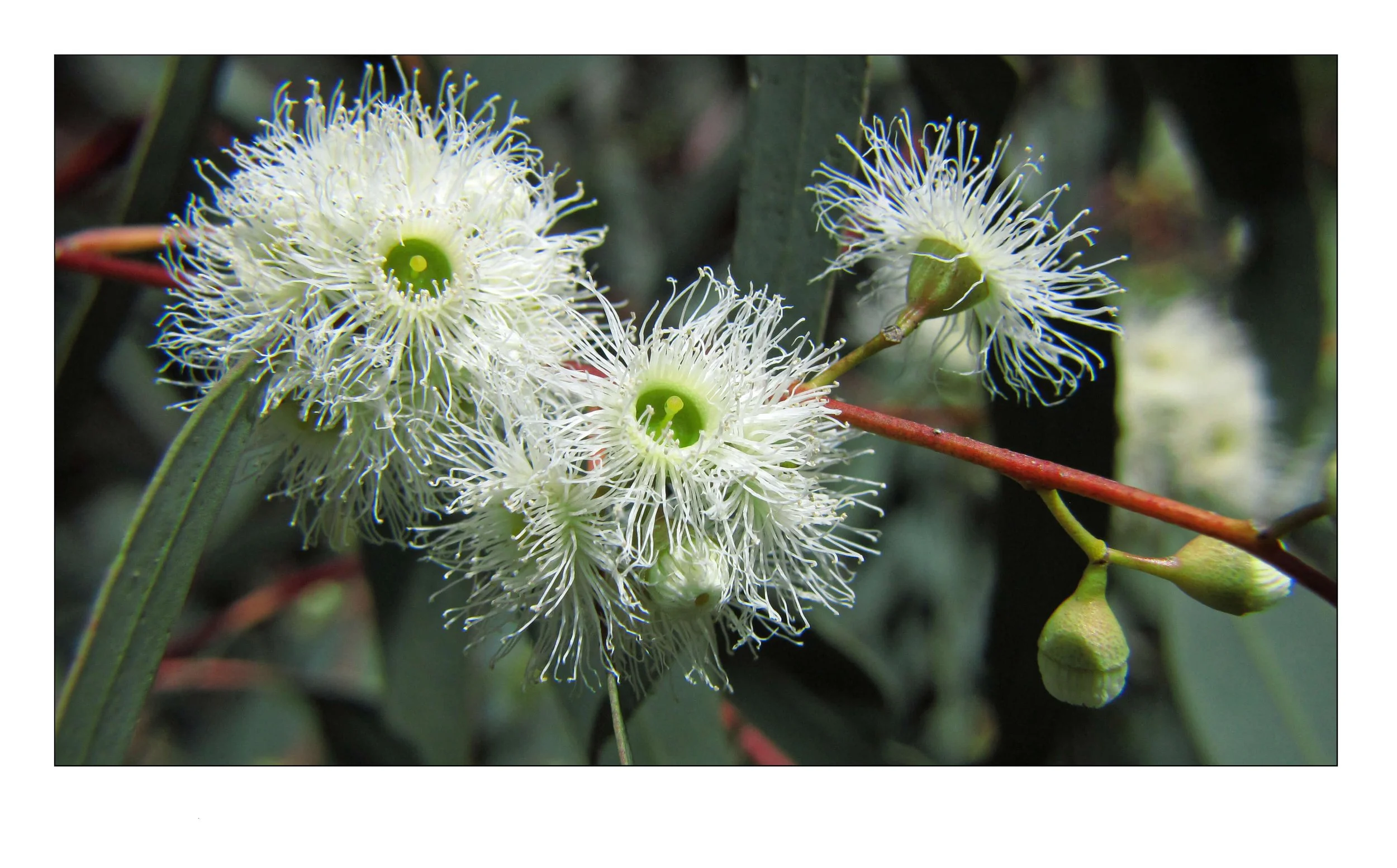
Written by Paul Caine and Colin SmithThe River red gum (Eucalyptus camaldulensis) is a species of tree endemic to Australia. Typically growing to a height of 20 metres, some can reach 45 metres. Towering and gnarled, river red gums are amongst the oldest living things in the Melbourne region, some exceeding many hundred years in age. Historically, in Melbourne’s south-east, they thrived along waterways that form the Port Phillip Bay catchment. These include Dandenong Creek, Mordialloc Creek, Elster Creek, and their numerous tributaries across the Melbourne’s sandbelt region, where seasonal flooding replenished the soil and sustained biodiversity.
Ecologically, river red gums are a foundational species of riparian and wetland ecosystems. They support a wealth of native birds, mammals, insects and fungi. The hollows in their aged trunks and limbs offer nesting sites for species such as kookaburras, lorikeets and possums, while their canopies provide critical shade and cooling in urban heat islands. Beneath them, their microclimates help sustain native understorey plants and soil life.
For many thousands of years across Melbourne’s sandbelt region, on the eastern side of Port Phillip Bay, river red gum woodlands formed part of the landscape occupied by the Boon Wurrung people of the Kulin Nation. Their bark and timber were used for tools, shields, canoes, and shelters. As a medicine, their leaves were burnt and the smoke inhaled to relieve coughs and colds. Their sprawling canopies provided shade for countless generations of First Nations people. Many signified important meeting places. Today, some remain as important cultural markers, connecting First Nations communities to their ancestral lands.
The range and distribution of river red gums across the Melbourne area has been profoundly changed by European colonisation. Rapid development led to the clearing of vast numbers of river red gums in areas that became the Cities of Glen Eira, Kingston, and Greater Dandenong, for agriculture, infrastructure and urban development. Valued for their durable timber, they were used for fuel, and for railway construction and fencing. Their removal not only transformed Melbourne’s physical landscape, but dramatically disrupted the ecosystems they support.
River red gums are now found in scattered, fragmented and isolated patches across their former range. They are living relics of a pre-urban landscape. Most exist in parklands, along creek and river banks and flood zones, on road and highway reserves, in cemeteries and golf courses, and on school grounds and private property. The survival of many is precarious. Where they persist, they are often stressed through unsympathetic management practises that encourage soil compaction from trampling and mowing equipment, weed encroachment, altered hydrology, vandalism, and insufficient protection under planning laws.
A shift in the recognition of the value of old remnant trees is emerging. Urban planning is slowly (some would say too slowly) recognising the importance of green infrastructure and biodiversity and the services they offer residents in planning sustainable cities. In some local council areas, initiatives such as tree protection overlays, biodiversity action plans, and urban forest strategies along with community planting days, aim to retain old trees and integrate them into public spaces. However, many Councils remain slow to respond to the pressing need to conserve biodiversity and to the environmental crisis that is upon us, paying lip-service to these issues. Many surviving red gums are poorly managed or ignored altogether, remaining and occasionally flourishing through little more than sheer good luck.
Protecting remnant river red gums and other remnant indigenous trees is not only an act of conservation and a pressing need. It is also a gesture of respect for the natural and cultural histories they tell. The community, along with local councils and the state government, need to act in every possible way to conserve them. A tree growing to extraordinary size and sculptural beauty, the presence of river red gums suggests what the Melbourne area would have looked like in a pre-European era. What a sight it must have been.
The Photographs