Musing about Art and Sport
Art and Sport; Is it one or the other, or both?
I was a school teacher for about 40 years. Heading towards the half-way point of my career, I felt, for better or worse, that I should have a change of school. This was after 12 rewarding years teaching at a primary school in Melbourne’s southeast suburbs. I successfully applied for a teaching position at a special school, also in the city’s southeast.
The position was untagged, so it was up to the school to place me where they saw fit. The school was too small to support a designated teacher for the two subjects of Art and PE/Sport and sought someone to teach both. That became me.
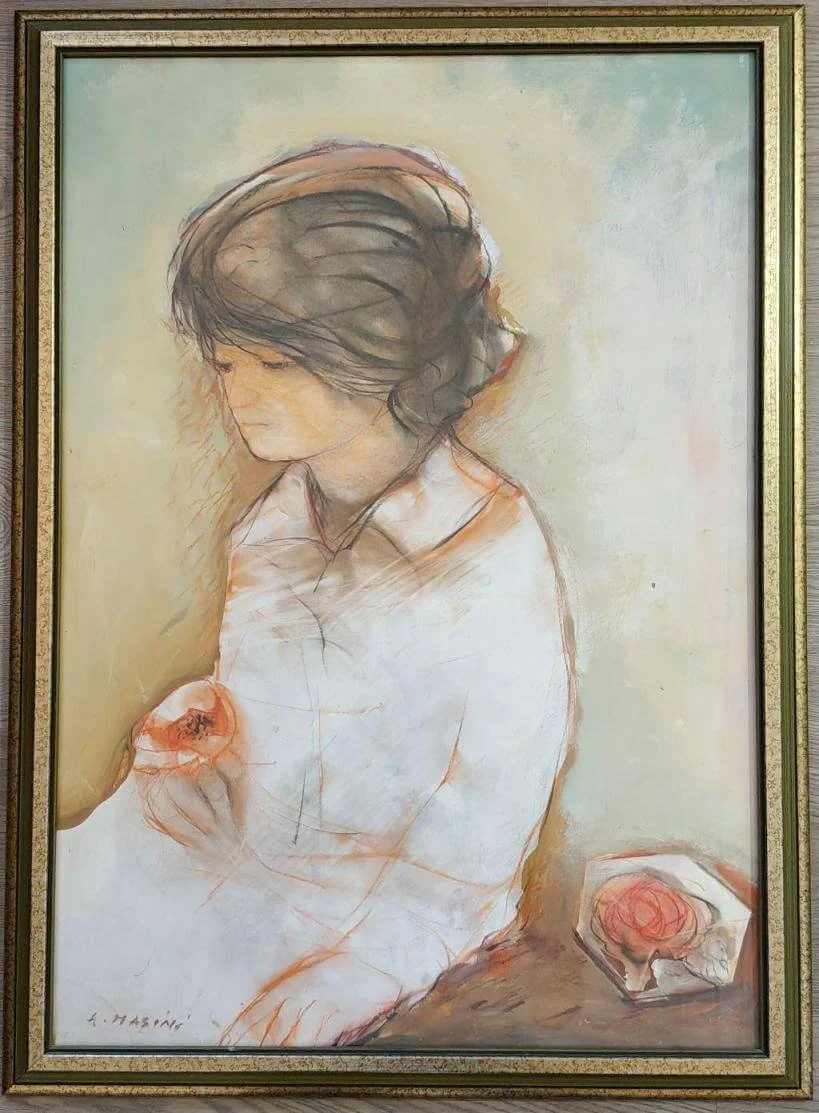
This fine painting, by Italian painter, Antonio Masini hung in the dining room of our Mt Waverley home for decades before making its way to our parent's bedroom to hang by their bed.
The school timetable allotted each class one hour a week for these subjects. Consequently, each session consisted of 30 minutes of art and 30 minutes of PE/sport. The cohort of special needs students was aged between 2.8 years and 18 years. I was fortunate in taking on my new position that art and sport are two loves of mine, meaning that embarking on this dual teaching role was relatively straight-forward. I had taught plenty of physical education and sport in the primary sector, and to teach art, found the right people and the right books to talk to and learn from. Also, I came from a household where being exposed to both art and sport was a part of life.
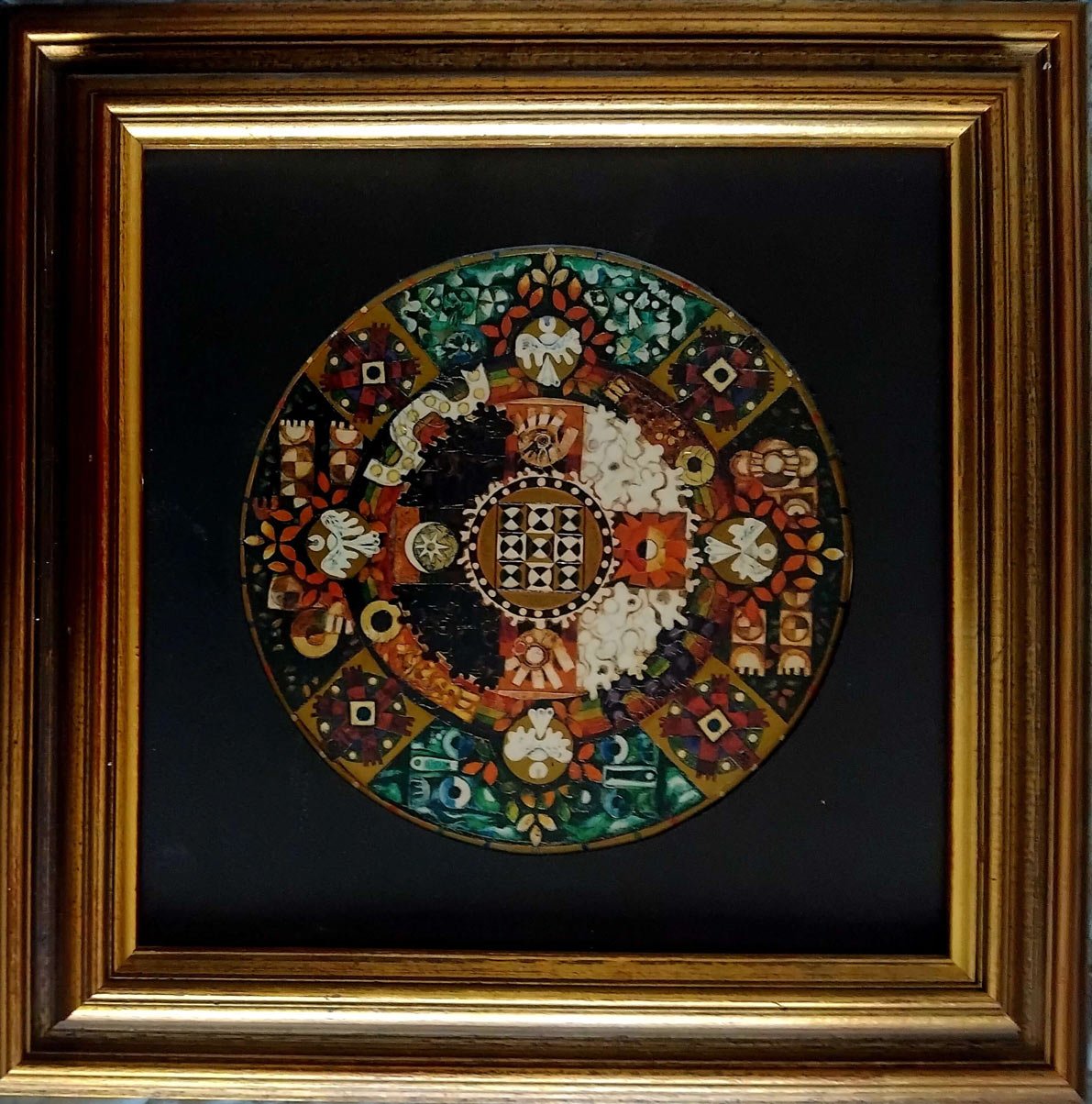
Reproductions of Leonard French's 'The Seven Days of Creation' hung in our dining room for 50 odd years. I can't remember a time when they weren't there. This is the is the final painting, 'The Seventh Day'.
Our father, Phil Smith was a lover of ballet, opera and classical music. He possessed a massive collection of classical records and in the rare times he found to rest, would position himself in our home’s sitting room, eyes closed and fully relaxed, listening to his music. He also played piano by ear and was a great entertainer at family functions, banging away on the upright piano that had been his mothers’, and later, on his baby grand. Without knowing it, he was laying down the foundations of the love of music his three children have today. After his death, his records and sound system found a home with my brother. There is no better place for them.

This painting hung just inside the front door of our family home. It was painted by Helen c. 1969. It’s of a Maori carving that Phil brought back from a work trip to New Zealand.
My interest in the visual arts came principally from our mother, Helen. She always had a strong sense of the aesthetic. When we were young and when she had time, she would do or read about art. After she’d gave up painting and become a voluntary guide at the National Gallery of Victoria (NGV) in 1970, she’d spend hour upon hour researching the artists whose art she was to guide people through at exhibitions of their work. Around our house, there was always a lot of really good art on the walls of all styles and tastes, and a plethora of art books. Many of her friends painted and/or were art guides, just as she did and was.
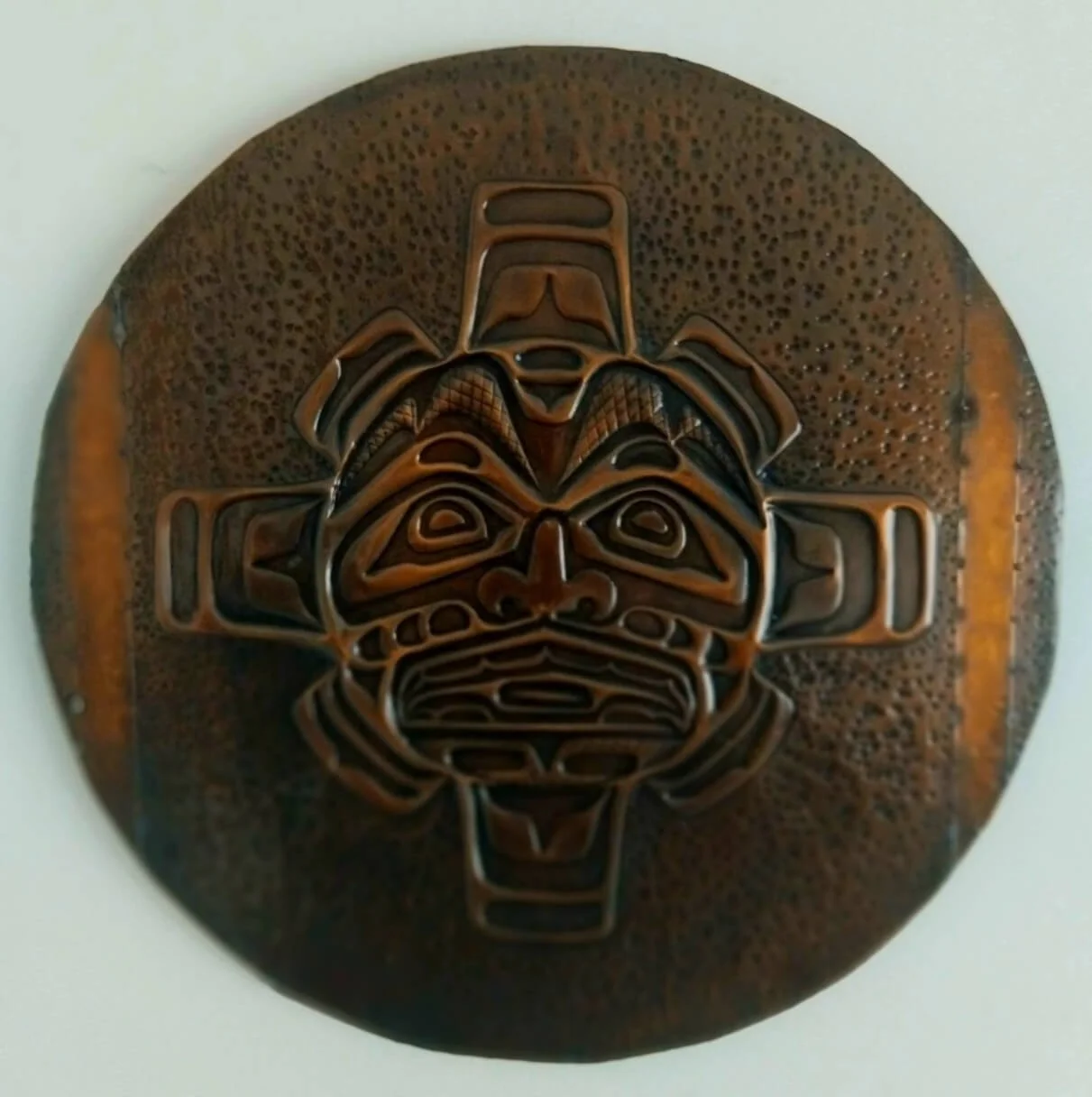
This hung in the hallway of our home for over 40 years. It’s a Canadian First Nations’ design from the west coast of British Columbia. I bought it back from Canada in 1976 for my parents after my first trip there. The design is by Tony Hunt and the copperwork by G. Bruno. It wasn’t expensive, but it’s good.
As children, Helen not infrequently took us to the NGV, and for me, this continued into adulthood, both with and without her. Now, well into my 60s, seeking out a good gallery is a well-entrenched pastime. I have been known to say on more than one occasion, that art is like air. I need it. This is not highbrow, because I don’t do highbrow. For me, it’s just true.
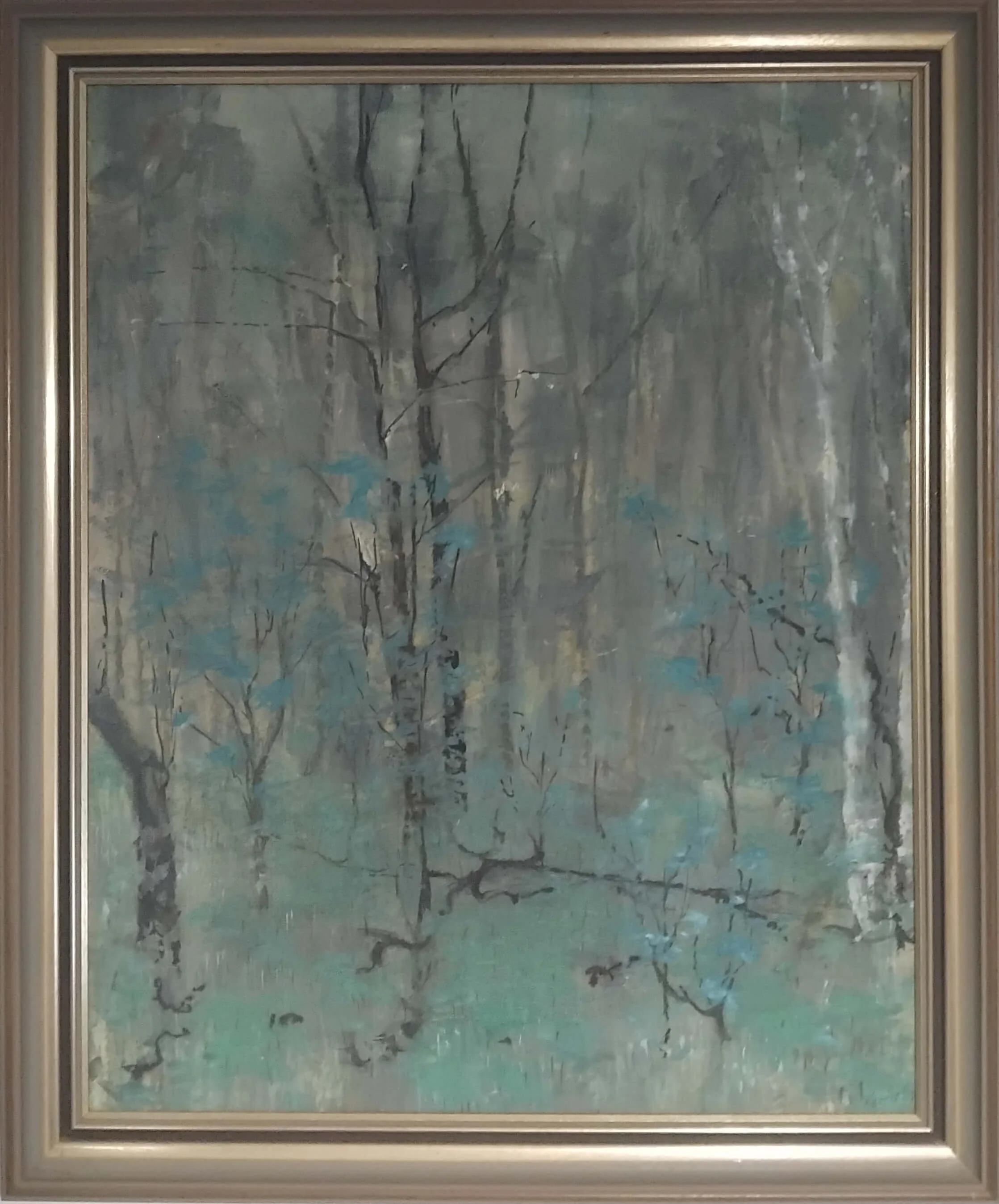
This painting hung in the family room of our family home. The artist’s name is unreadable, but he was known. Helen told me his name but it is long forgotten by me. I know Helen acquired it. It’s a relatively modern work and a good landscape painting.
And similarly, ours was a household steeped in an enjoyment of sport. Growing up in Footscray, Phil had been a rower and in his middle years had played competitive club cricket. In his older years, there is no doubt that (he believed) he could have coached the Australian cricket team.
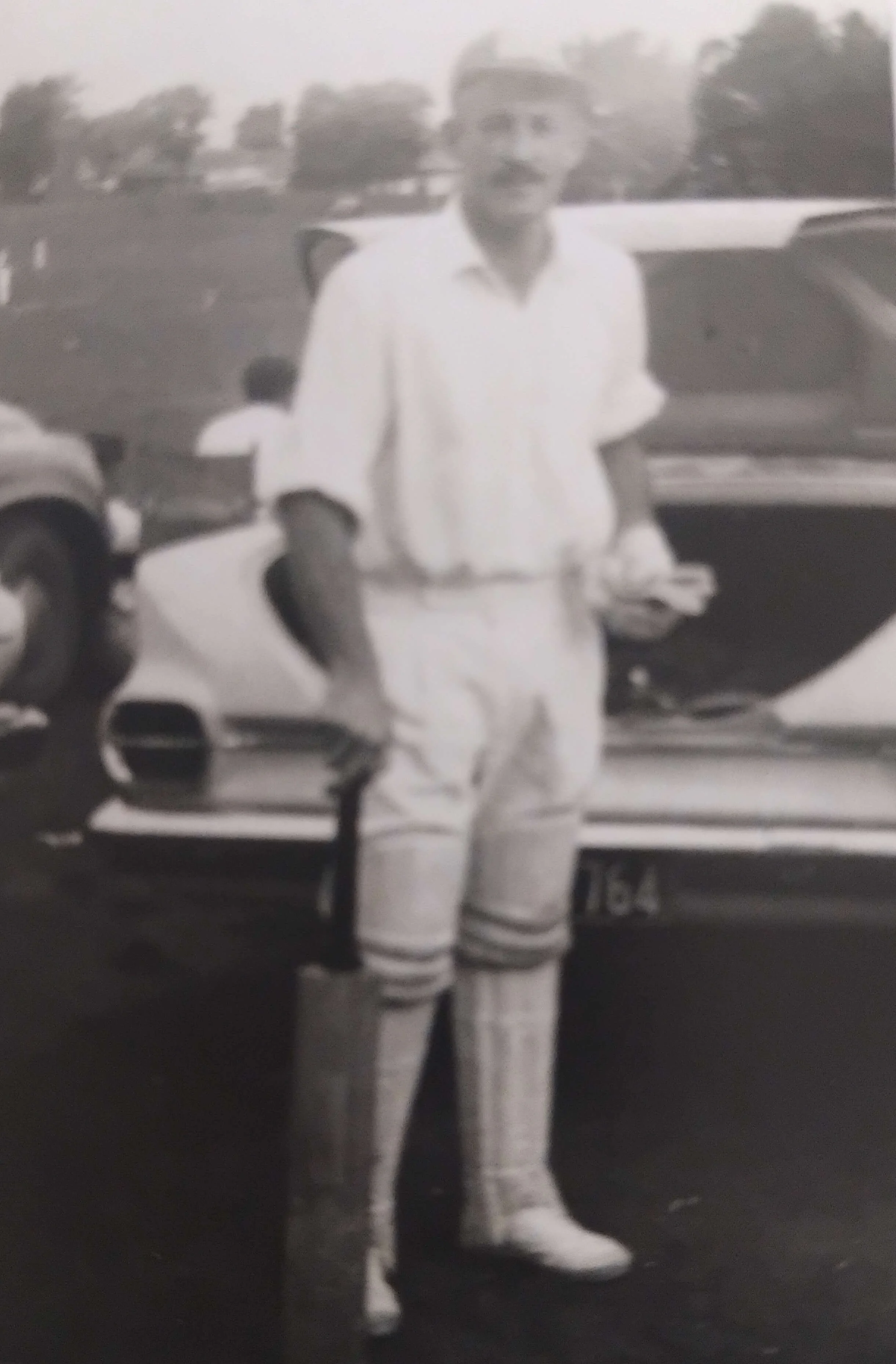
Phil Smith padded up and ready to play for the Syndal Presbyterian Church Cricket team at Tally Ho Reserve in Mt. Waverley c. 1968. Note the 1963 EJ Holden behind him.
Phil followed Australian rules football. He was raised just up the road from the Western Oval and was a baked-on supporter of the Footscray Football Club. This was despite his father being an Essendon supporter, an affliction also carried by my brother. Every family has at least one. I followed Phil’s lead, as did our sister. Dogs for life.
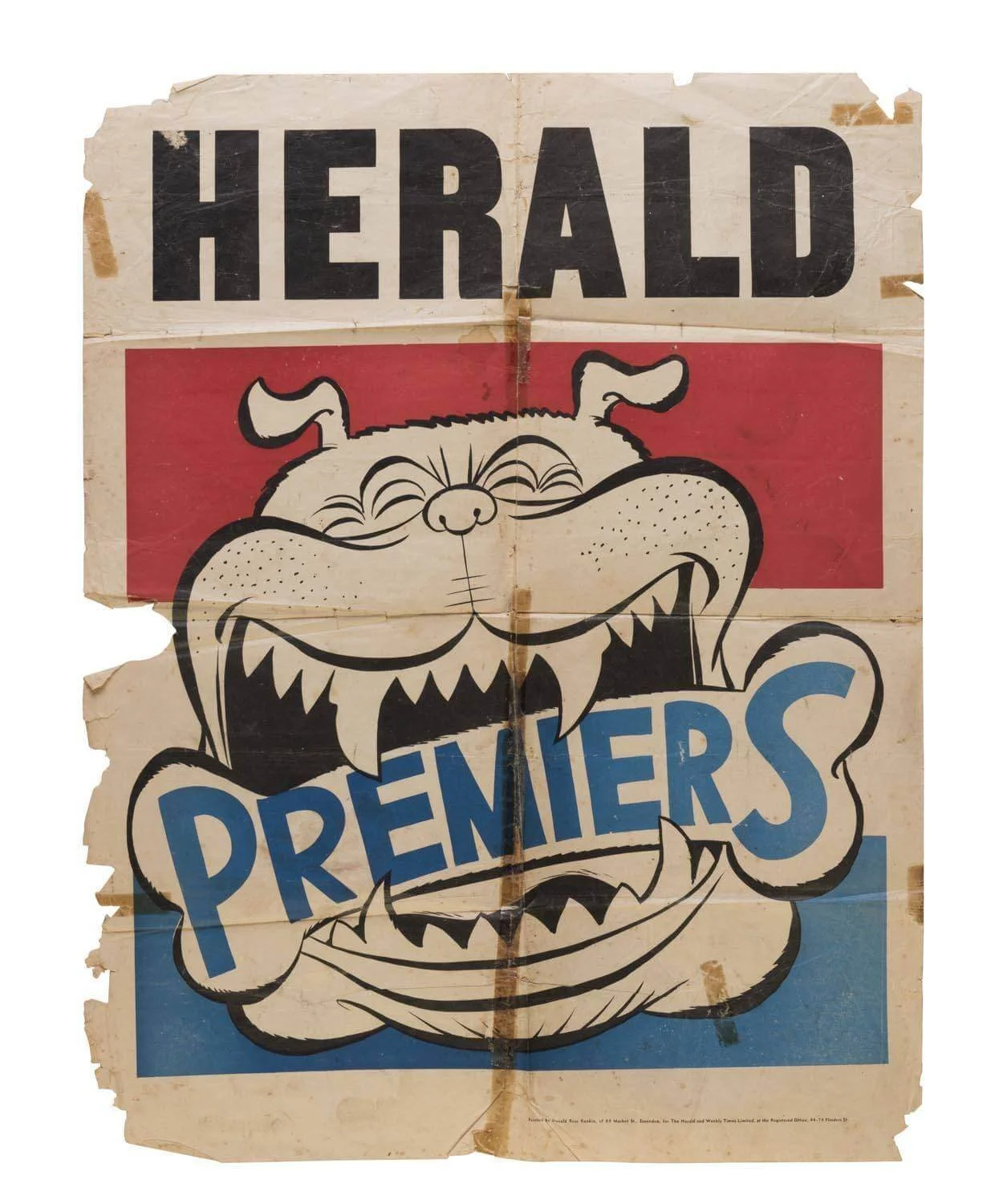
As kids we didn’t go to a lot of games, but we went to some, including one at the South Melbourne Football Ground when I was five or six. Being young and short, I couldn’t see the game and so I began collecting empty beer cans instead. Radiating from my dad and the friends he was with in search of cans, I ventured further and further into the crowd. At some point, I ventured too far and became lost in a sea of legs. Someone must have found me, because my next memory is of being led around the ground holding a policeman’s hand with some other lost child. Eventually Phil claimed his lost property.
These days, while I don’t get to Western Bulldog’s matches (for years my Saturdays have involved commitments elsewhere), I’ve been a member forever, I buy their raffle tickets, proudly wear their membership sticker on my car, and celebrate their wins and handle their losses. I really like the club and their values. I love the fact that when they lose or go through a rough period, their fans don’t turn on their own, like happens at some other clubs. It’s one in, all in.
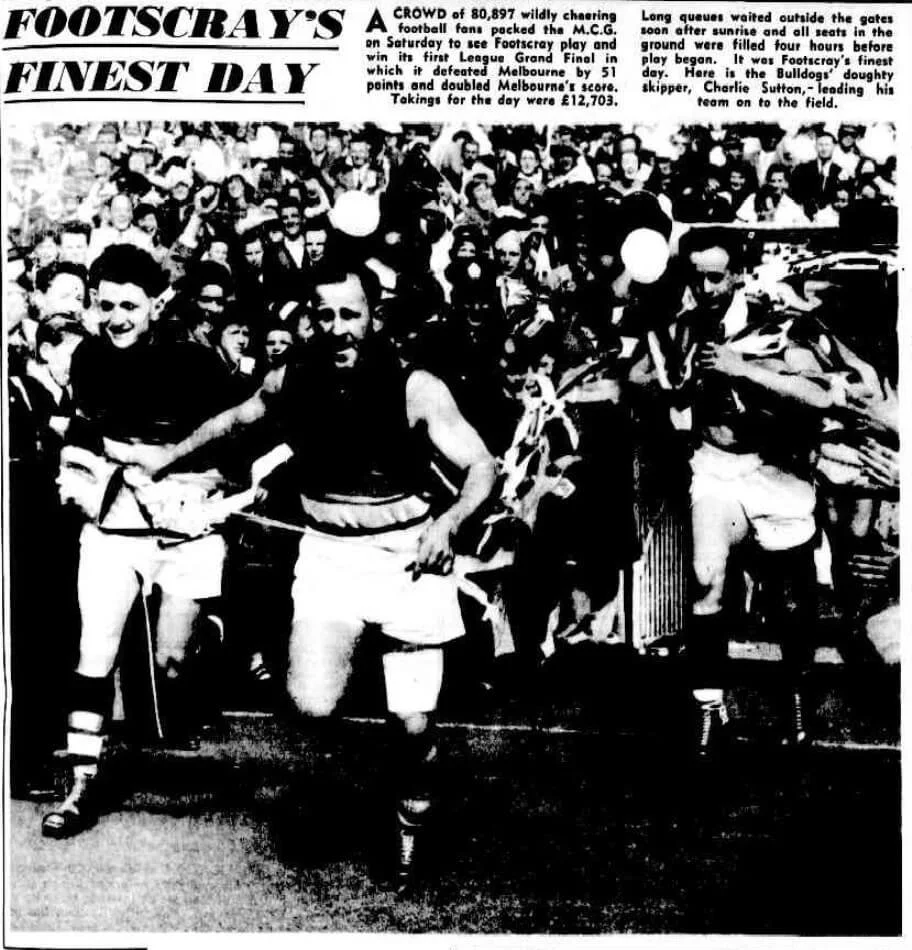
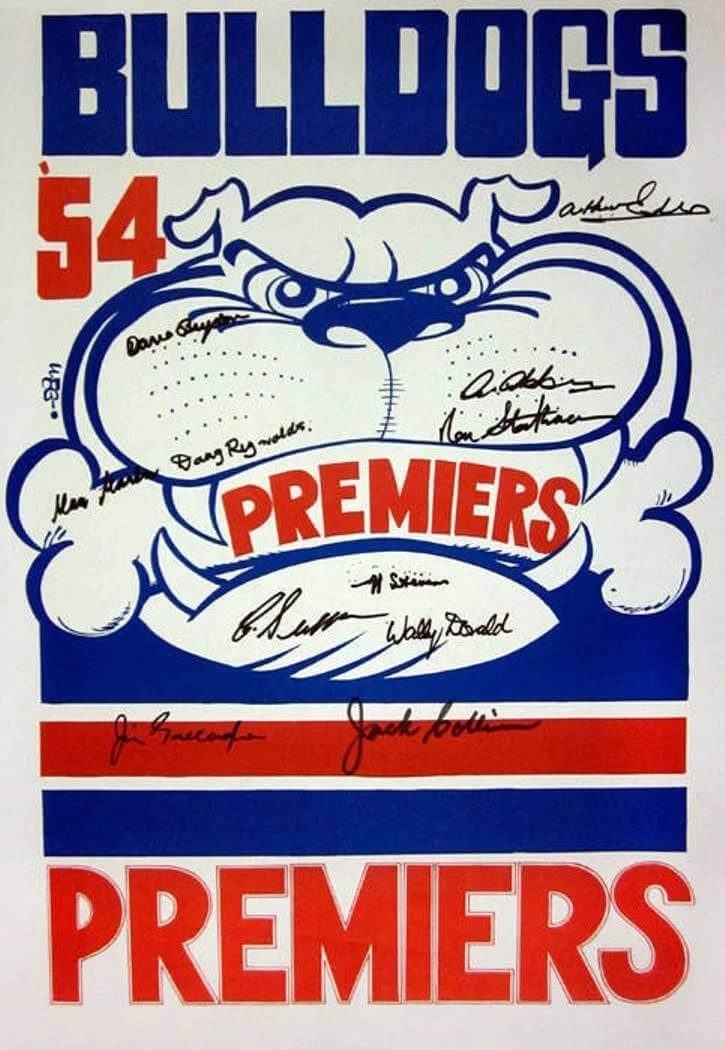
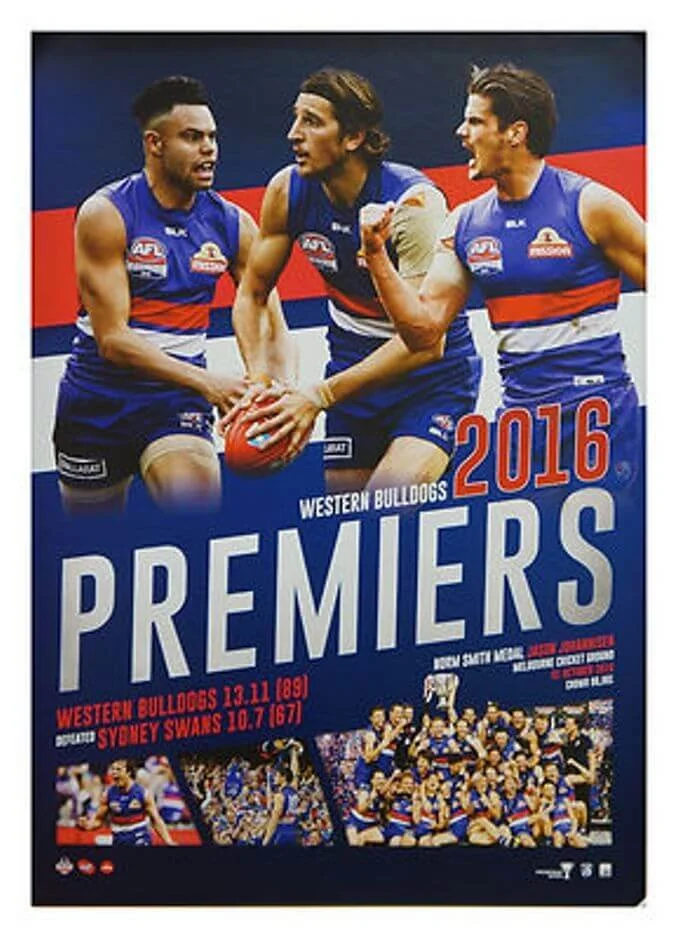
In 1954 Phil saw the Bulldogs win their first flag. He had just arrived back in Australia from the U.K. and Canada after marrying Helen in Vancouver in 1954. Consequently, she was also there at the MCG for the 1954 premiership. Years later, she recalled wondering why everyone was so excited. Phil died in 2016, about a month before the Bulldogs got their second flag, but Helen saw it. There is absolutely no doubt that they won that brilliant game in remembrance of Phil. Thanks team.
Art and sport are often, though not always, seen as being somehow inherently different, and to an extent, conflicting, pursuits. This was said to me many times in teaching the subjects, never as a criticism, but simply as an observation about the two areas I taught. I’ve never thought this myself, seeing little difference between the two. You like them or you don’t. But I am well aware that there is a common view that they are not necessarily compatible. This I think reflects a pervasive societal belief that people are supposed to engage in sport, which primarily uses the body, or in the arts, which primarily uses the brain. But not in both.
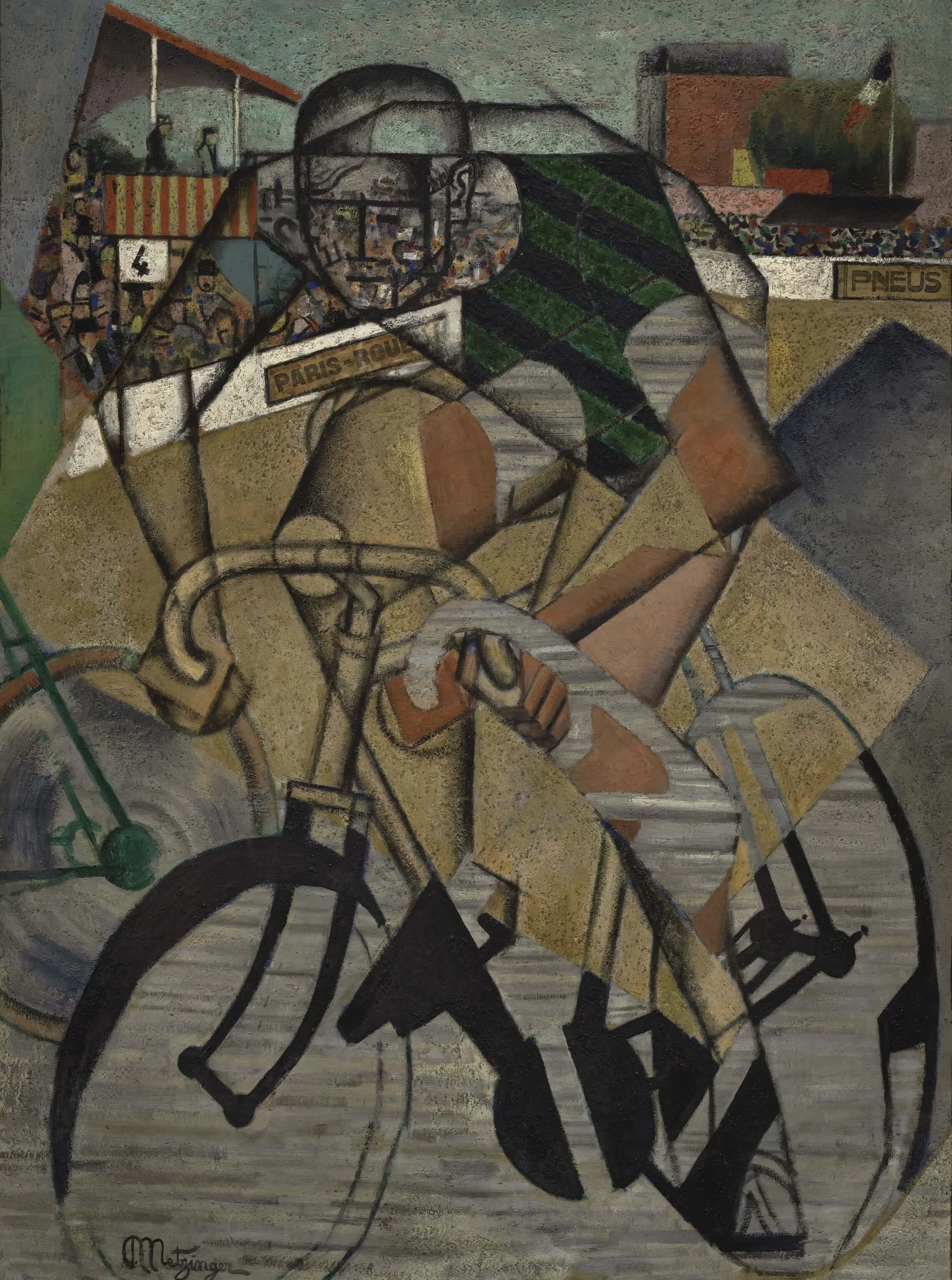
‘At the Velodrome’ by Jean Metzinger, 1912
To be fair, I think members of both the art and sport communities have been guilty of fostering this notion. The macho end of male dominated sport can be pretty rough, basil and blokey, this often perpetuated by the media. For all that, sports such as Australian rules football have come a long way in terms of inclusiveness, reducing violence, both on and off the field, and dealing with racist behaviour. Needless to say, there is a long way to go.
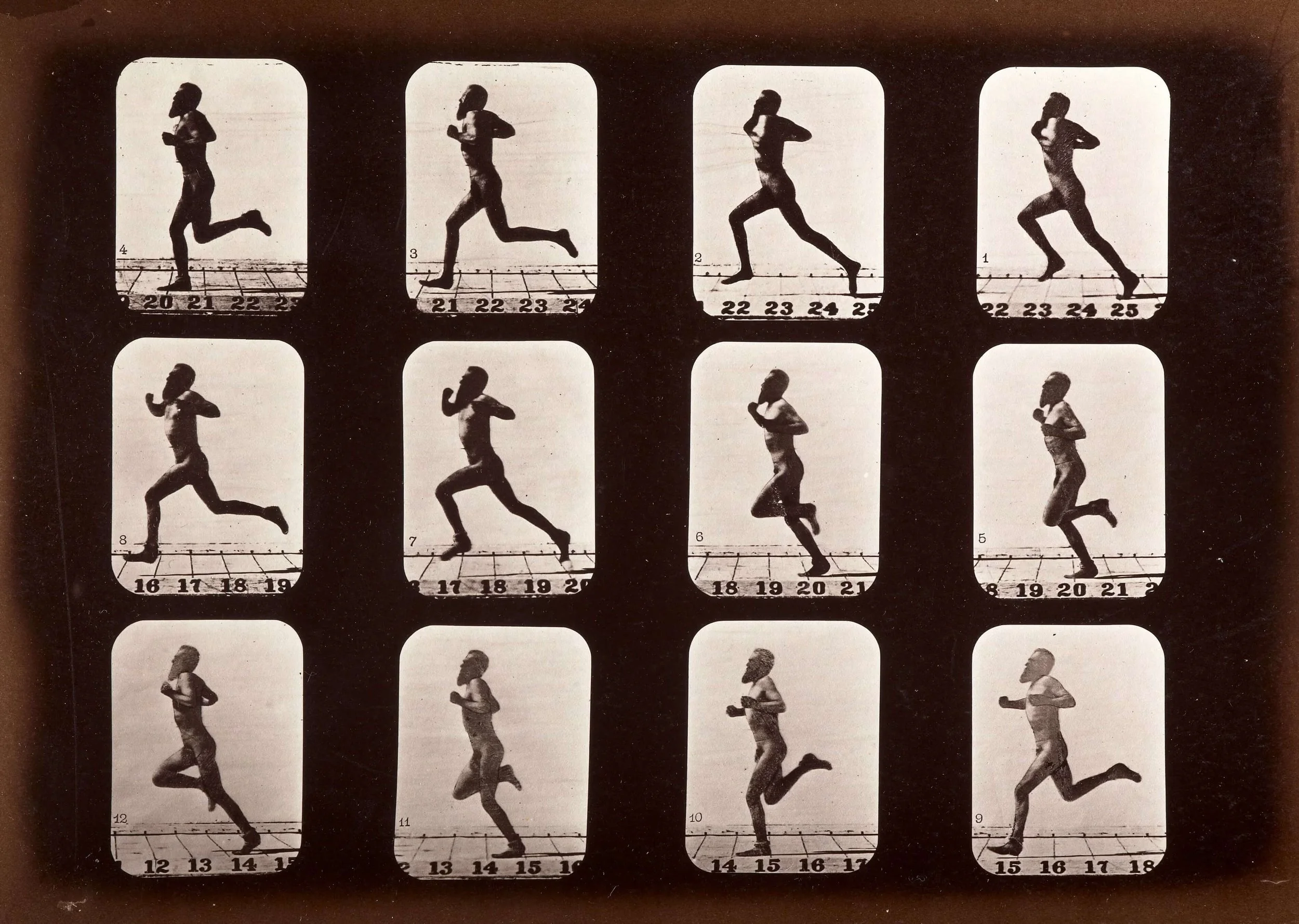
‘Athlete, Running’ by Eadweard Maybridge, 1881
Similarly, the art world frequently does itself no favours either. The use of Art speak; language that over-explains art and uses long and complex language to talk about it, giving it something of an elitist air does, not encourage or foster an interest in art. Worse still, it puts people off art, encouraging some, especially those who have not been exposed to it, to feel that art is above them and therefore not for them. What a crime.
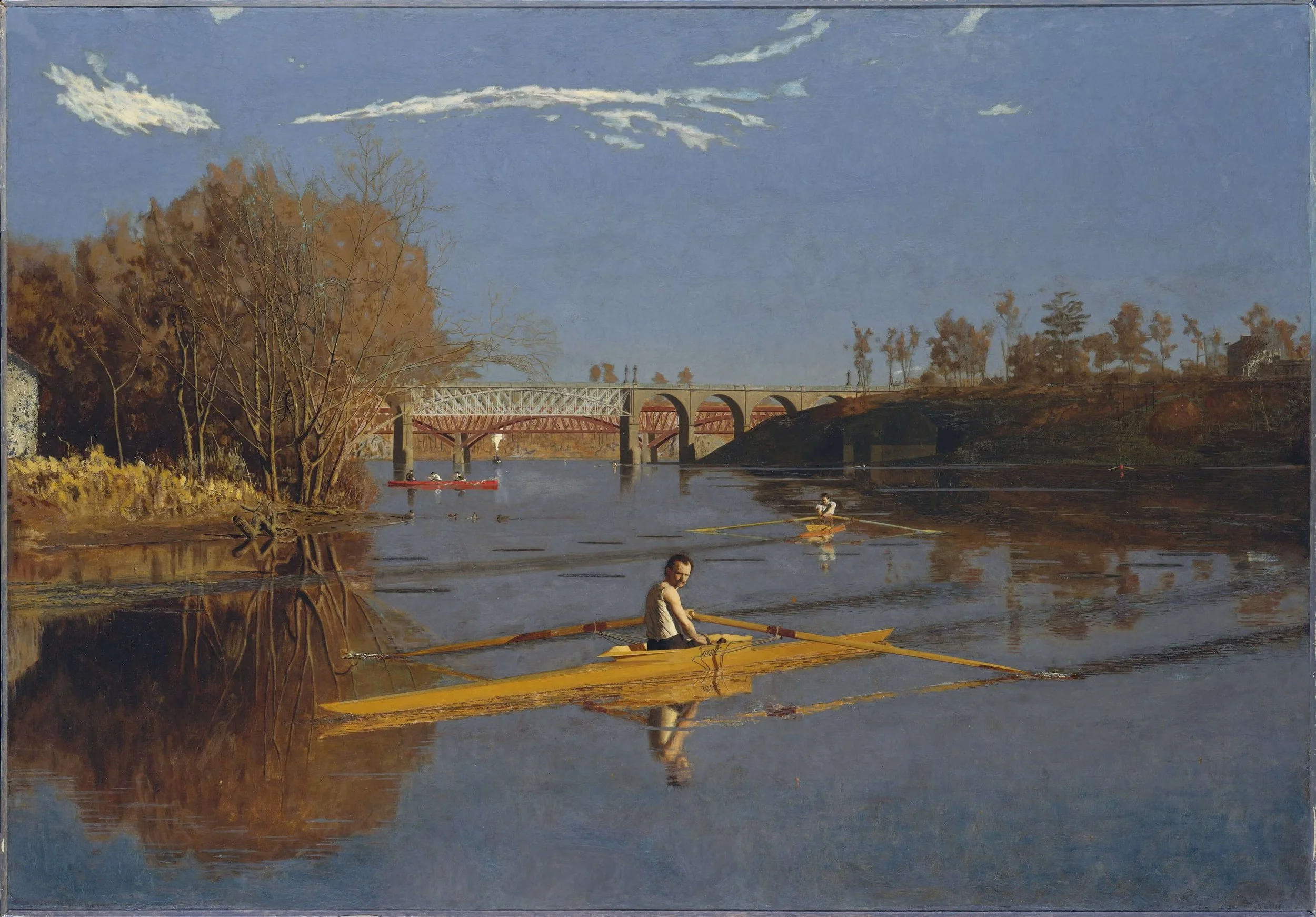
‘The Champion Single Skulls’ by Thomas Eakins, 1871
And yet art and sport are so compatible. It's not one or the other. It's both. Yes, sport has a highly physical aspect, but there is also an awful lot of brain involved in it as well, and an aesthetic. Art has a lot of brain involved in it, but also a physical aspect in its making. But in truth, this all matters not, whatever their respective attributes may be. They are both expressions of human activity, endeavour and creativity. They can both be done poorly or brilliantly. And they can be entertaining and exhilarating. They can leave us with a greater sense of what humans can do when they're not giving one another a hard time, but pushing themselves to be as great at 'it' as they can be, regardless of what that ‘it’ is.
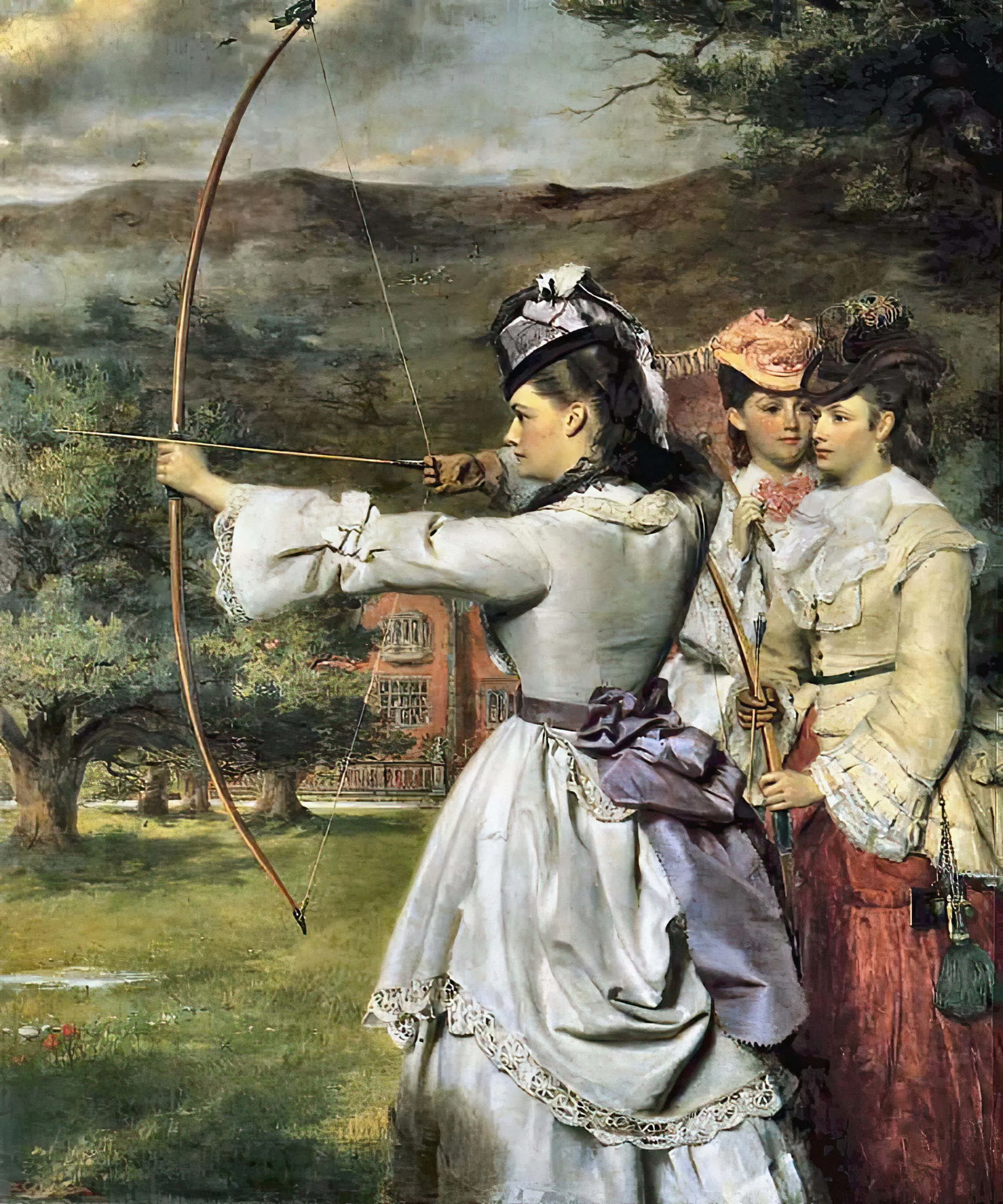
‘The fair Toxophilites’ by William Powell Frith, 1872
If living a full life is about experiencing as much as is reasonably possible, then living without prejudice and embracing as much of it as we can, seems like an intelligent way to live. No one needs to conform to any stupid stereotypes of what they are supposed to like and not like, these usually only existing to tick a box, categorize and sometimes divide people, and sell things. We are smart enough to enjoy pursuits that engage both our sense of the aesthetic and the physical, whatever those things may be. We can like or not like anything we want, as long as it is fundamentally good and safe for all.
Art and sport. Awesome stuff.
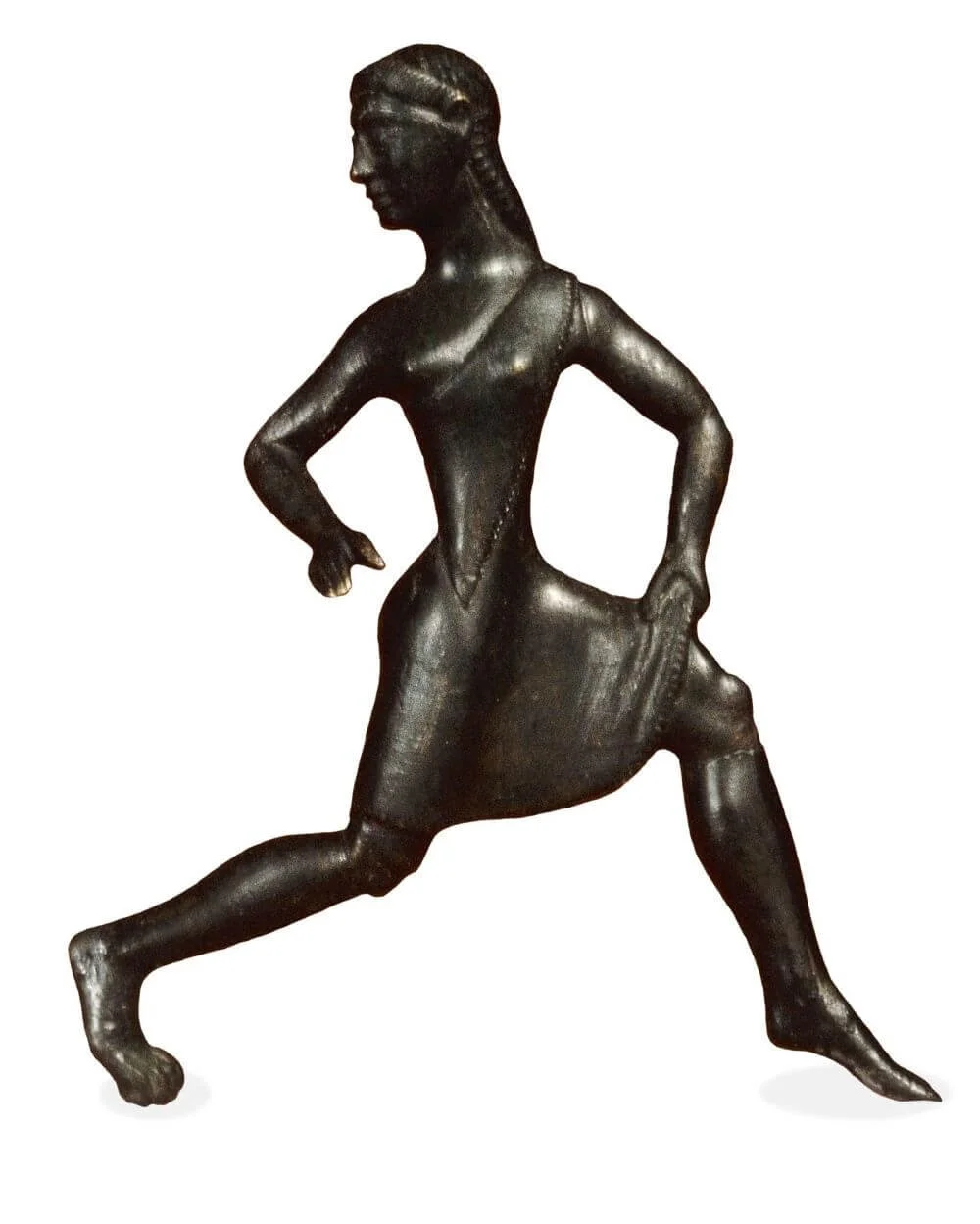
'Running Girl' by Unknown Greek artist, 520-500 BC