Another One Bites the Dust: Murrumbeena’s Oakdene
About 25 years ago, I became curious about an old two-story building in Murrumbeena Road, a stone’s throw from Neerim Road and just up the road from my place. It was overgrown and dilapidated. Barely visible behind a low timber fence, trees and shrubs, the property must have been at least a couple of acres. I knew it as Oakdene.
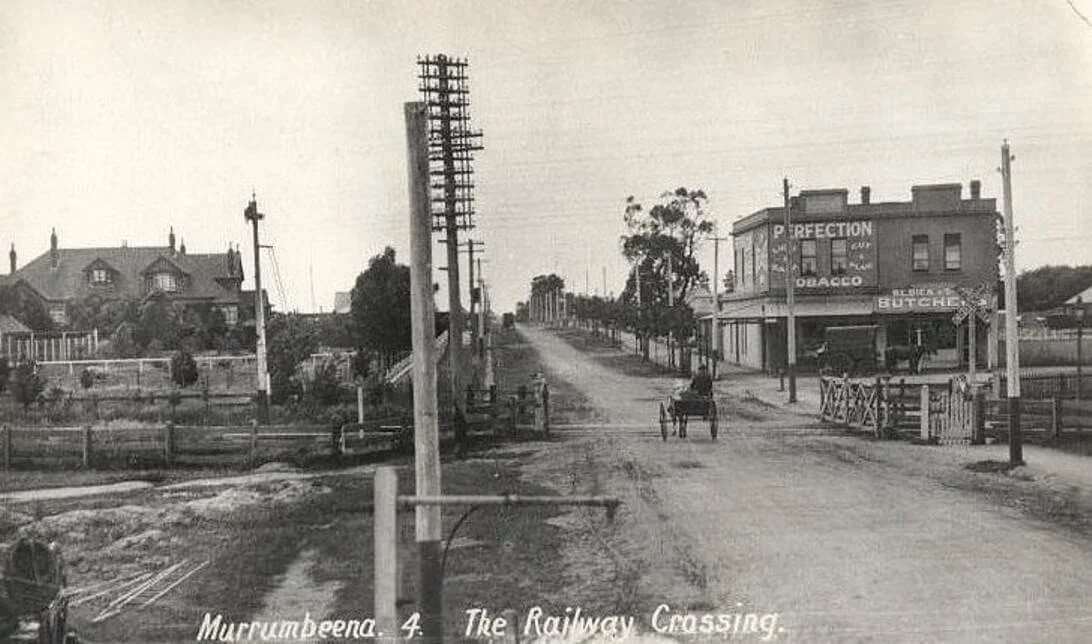
View north from Neerim Road along Murrumbeena Road towards Dandenong Road c. 1900. Oakdene is at the left.
I knew little of Oakdene’s history except that it was once an aged-care facility. Not long after coming to Murrumbeena in the early 1980s, I met an elderly woman in the street who wanted to see her family in Coburg. Thinking she may be lost, I walked her to St. Michaels Aged Care in Hobart Road. They didn’t know her, but suggested we head for a facility on Murrumbeena Road. That’s where she lived and that’s where I took her.
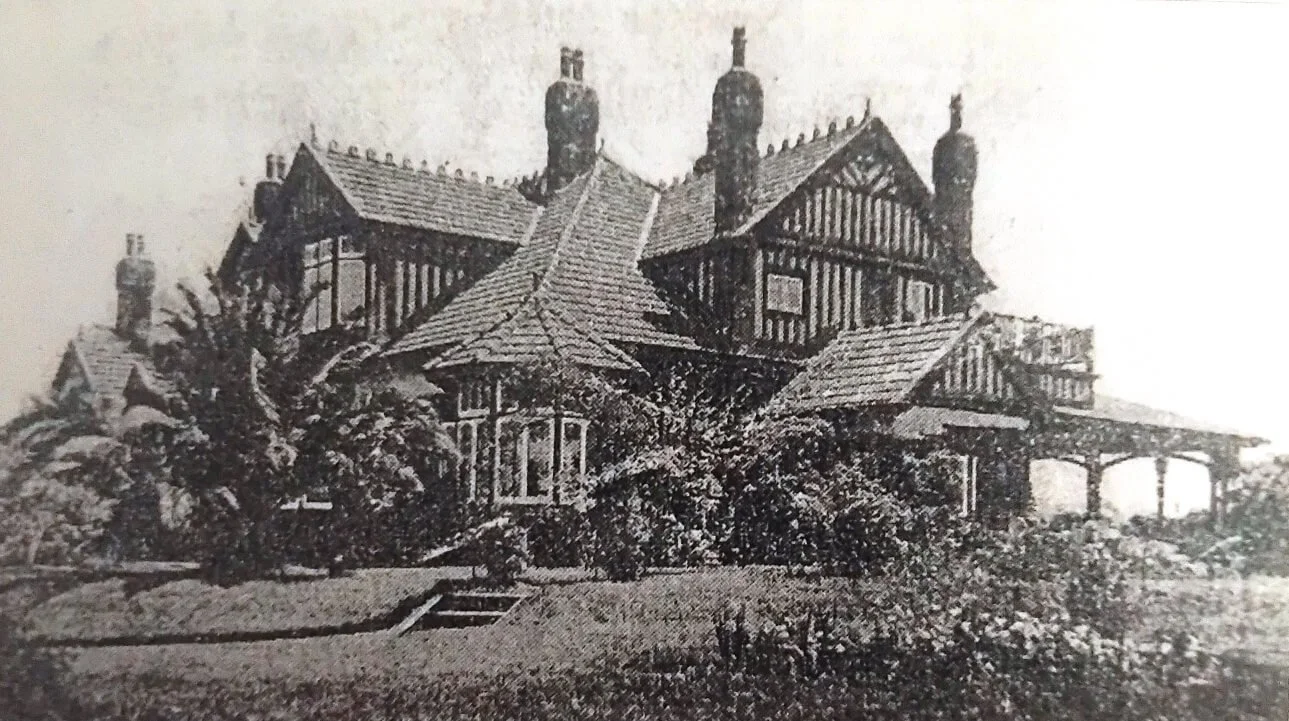
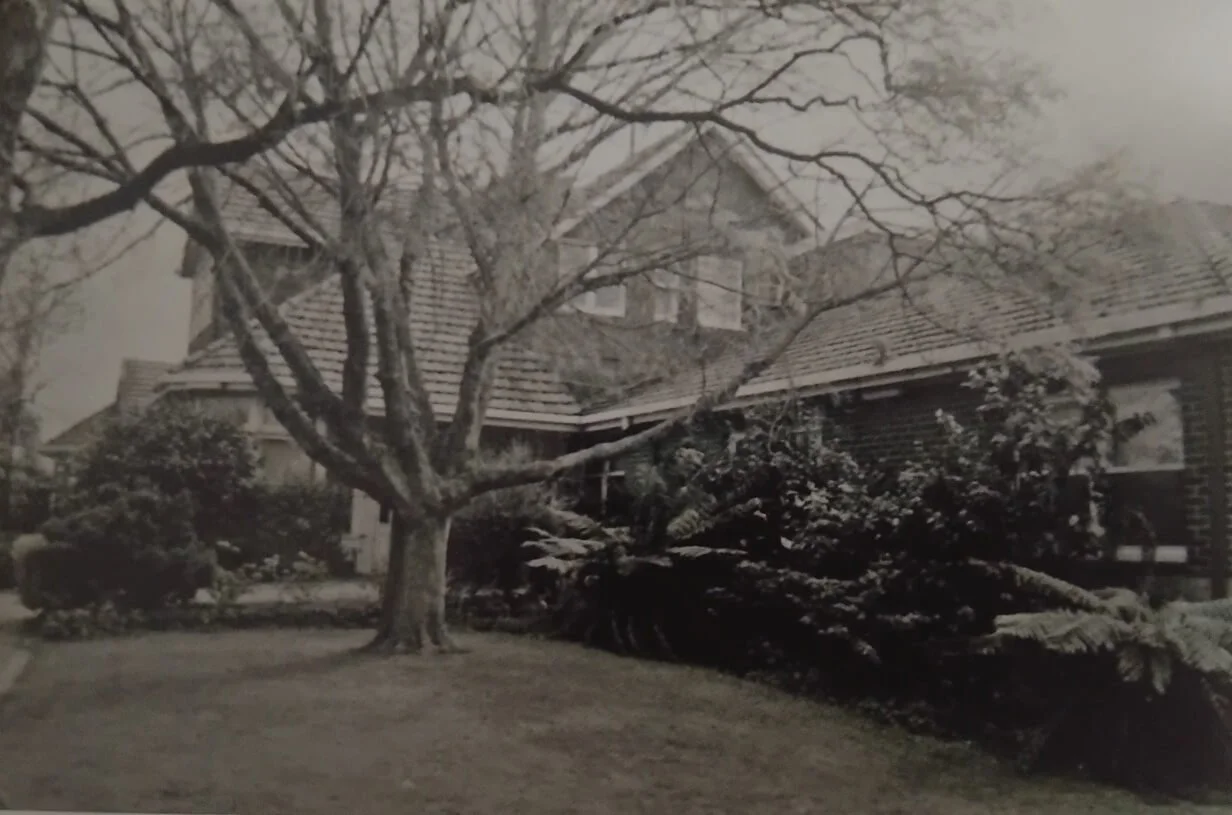
Oakdene in 1927.
Sometime later, Oakdene ceased to be a home for the aged and was abandoned. It seemed to stay like that forever, becoming increasingly run-down, and to the likes of someone like me, inviting.
I knew the building was Oakdene because its name had occasionally come up in the Murrumbeena history I was collecting. I also knew it because it appeared in an old photograph of Murrumbeena taken around 1900. That photograph was taken looking north along Murrumbeena Road from a vantage point just south of the railway crossing there. A horse and cart are crossing the line and turning into Neerim Road. I had seen the photo before, but didn’t have a copy of it. I received one from long-time and much missed Murrumbeena identity and newsagent proprietor, John Attwood. It’s one of the rare early photographs of Murrumbeena and a rarer one still as it includes Oakdene.
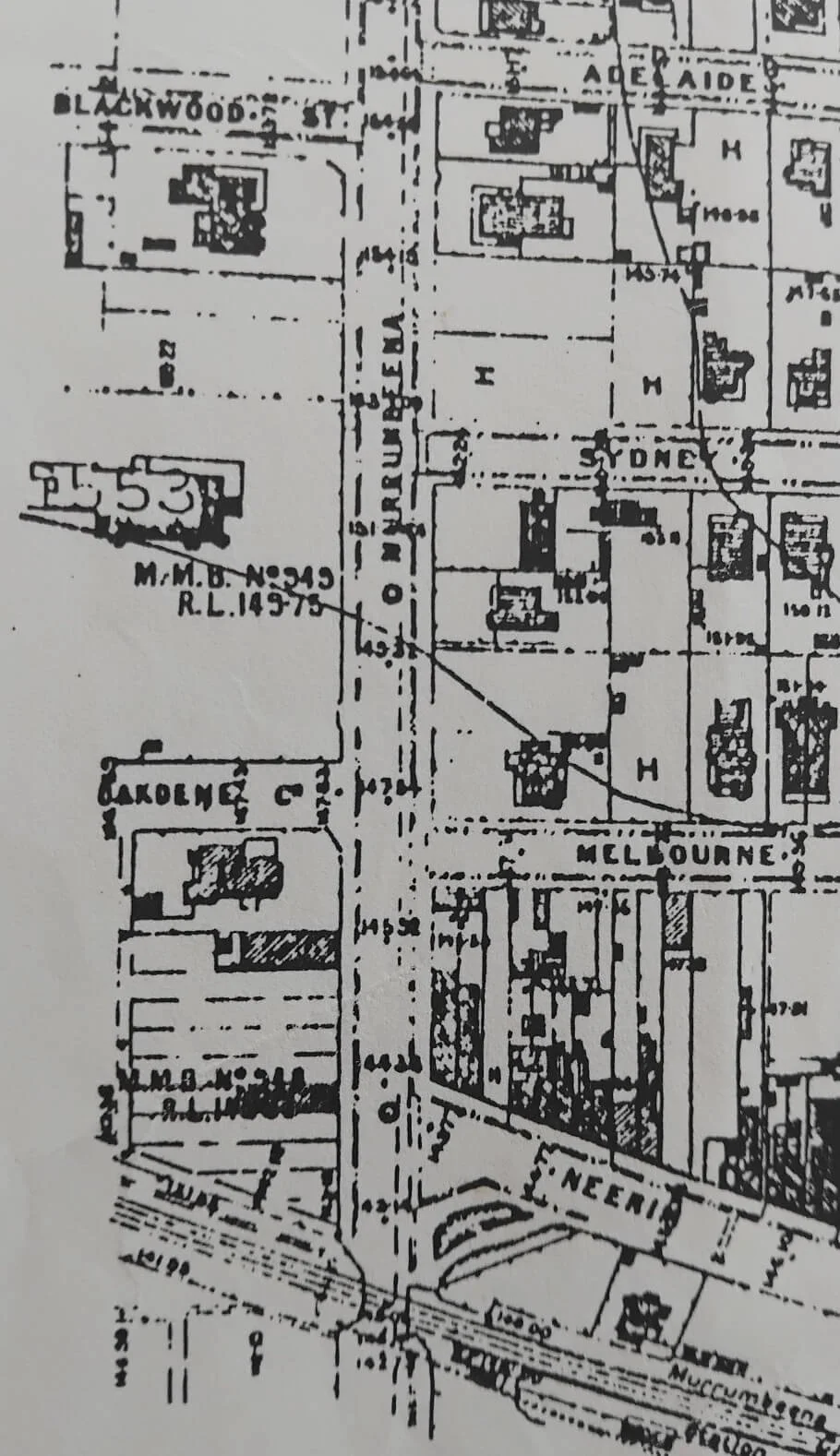
Oakedene on a Melbourne and Metropolitan Board of Works (MMBW) map from 1937. Oakdene is the large property (‘53’) on the west side of Murrumbeena Road.
Later, I learnt that Oakdene was built around the turn of last century by estate agent James Birtchnell and his wife Lily (nee Moodie) who had married in 1890. In 1931 it was bought by Dandenong dentist, J. Grattan Thompson. At some stage it became Cumloden Junior grammar School before becoming an aged-care facility.
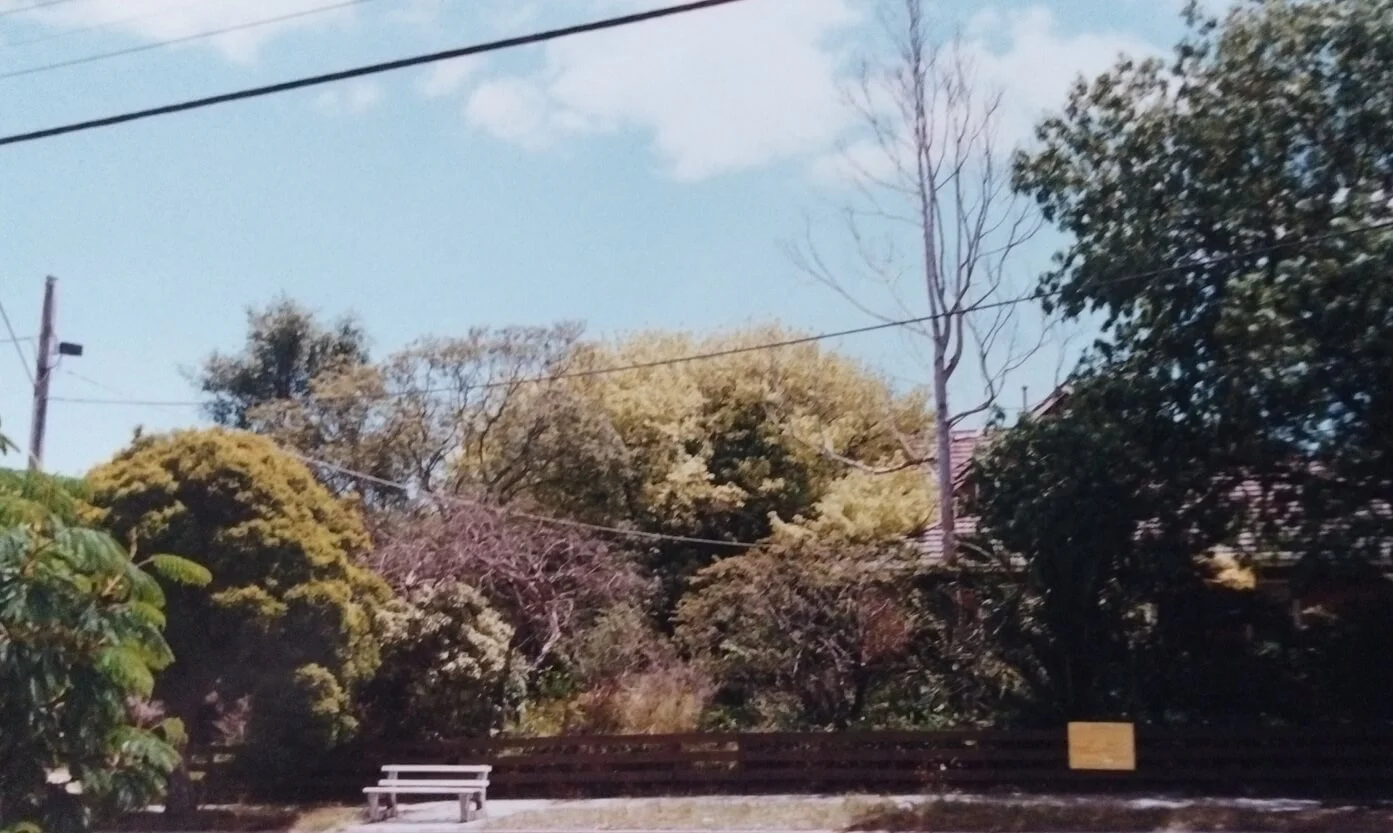
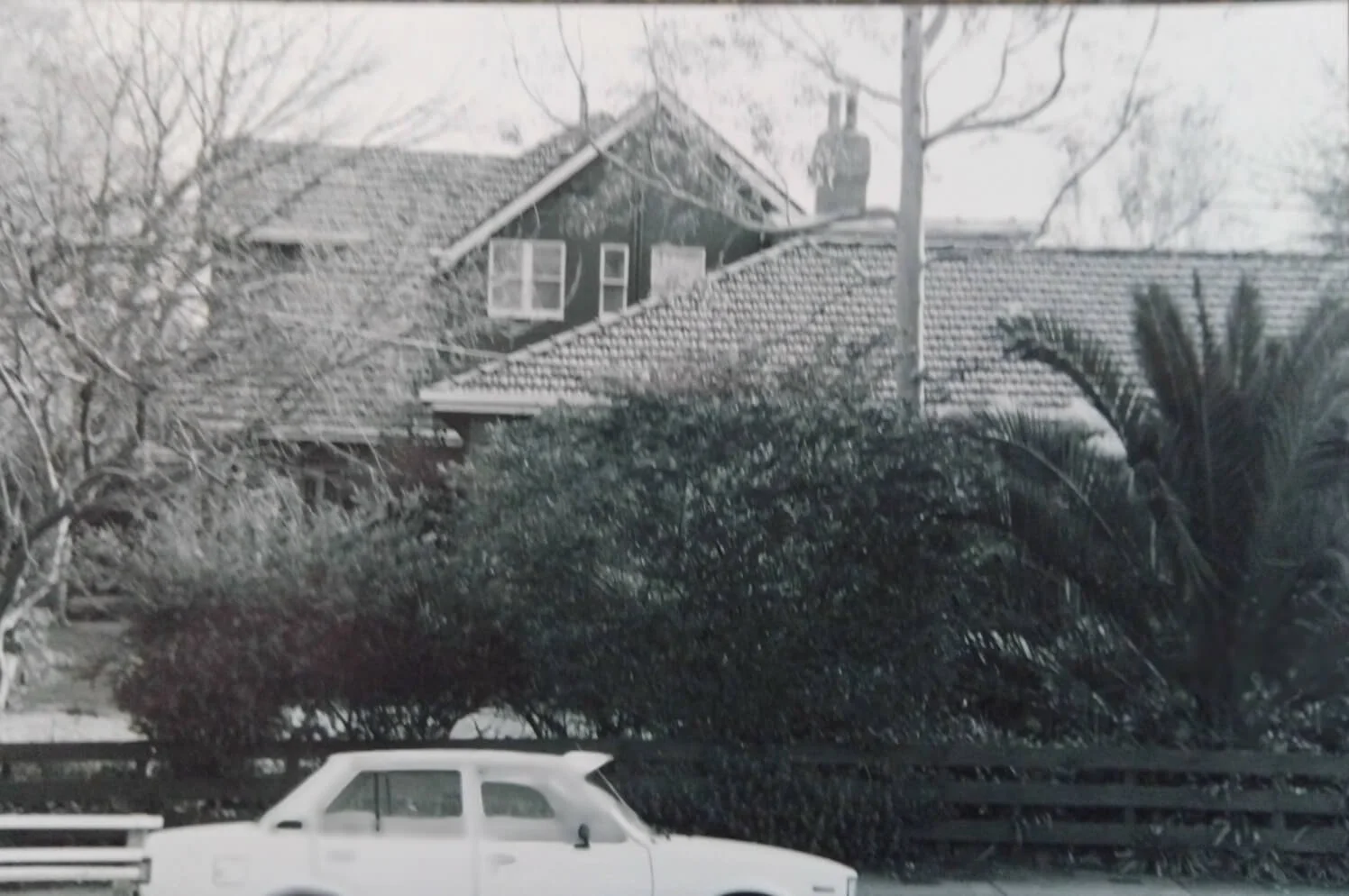
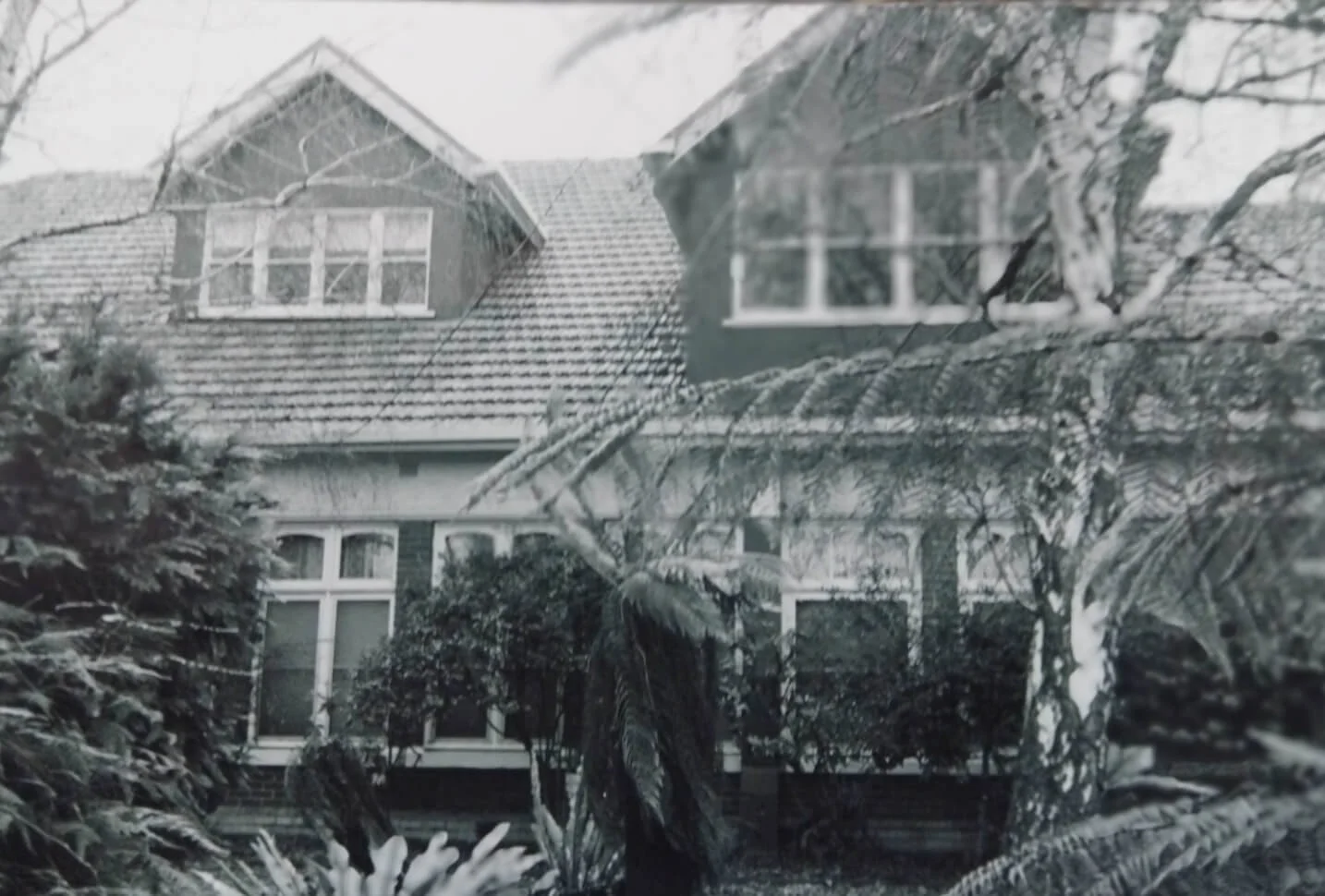
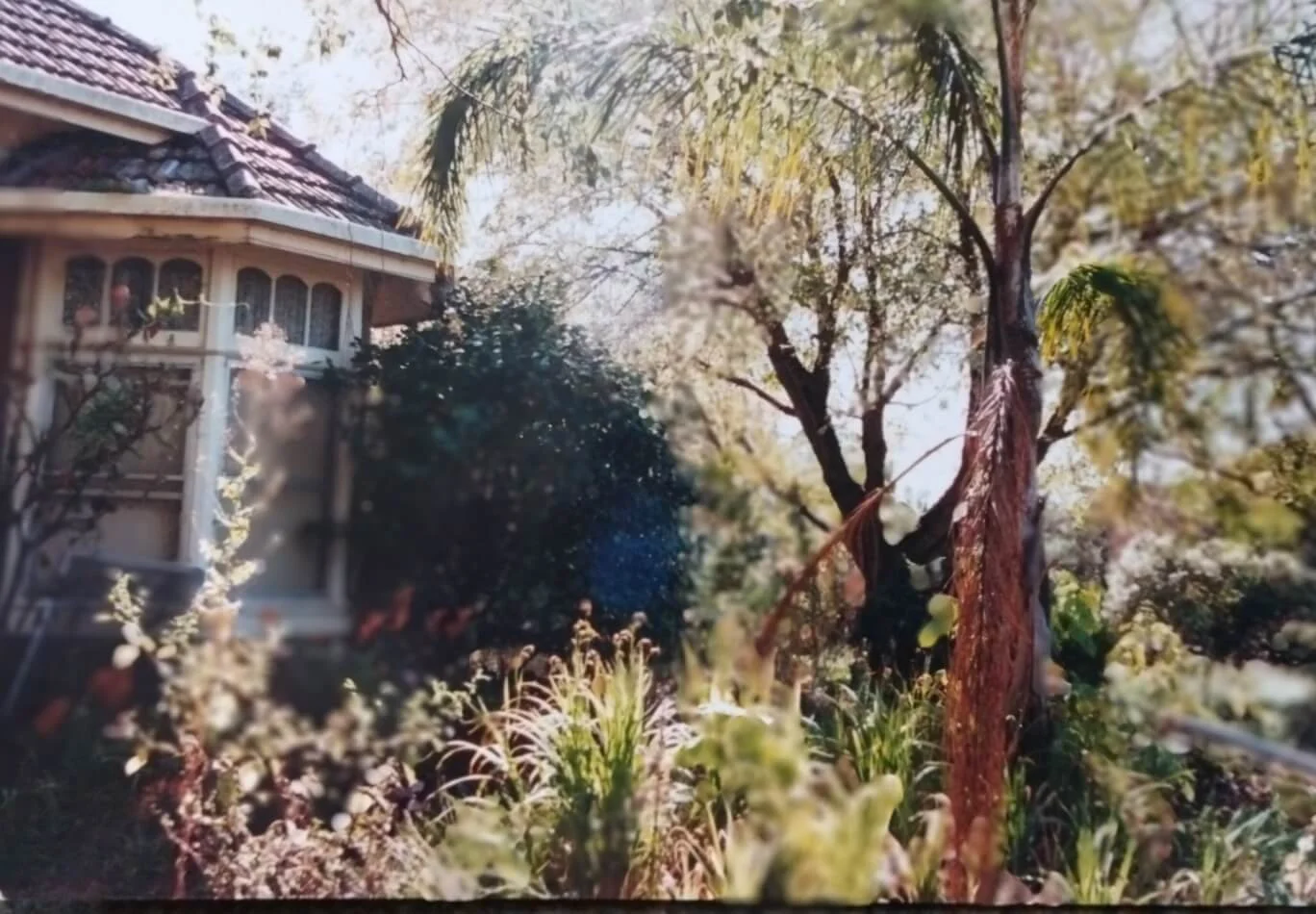
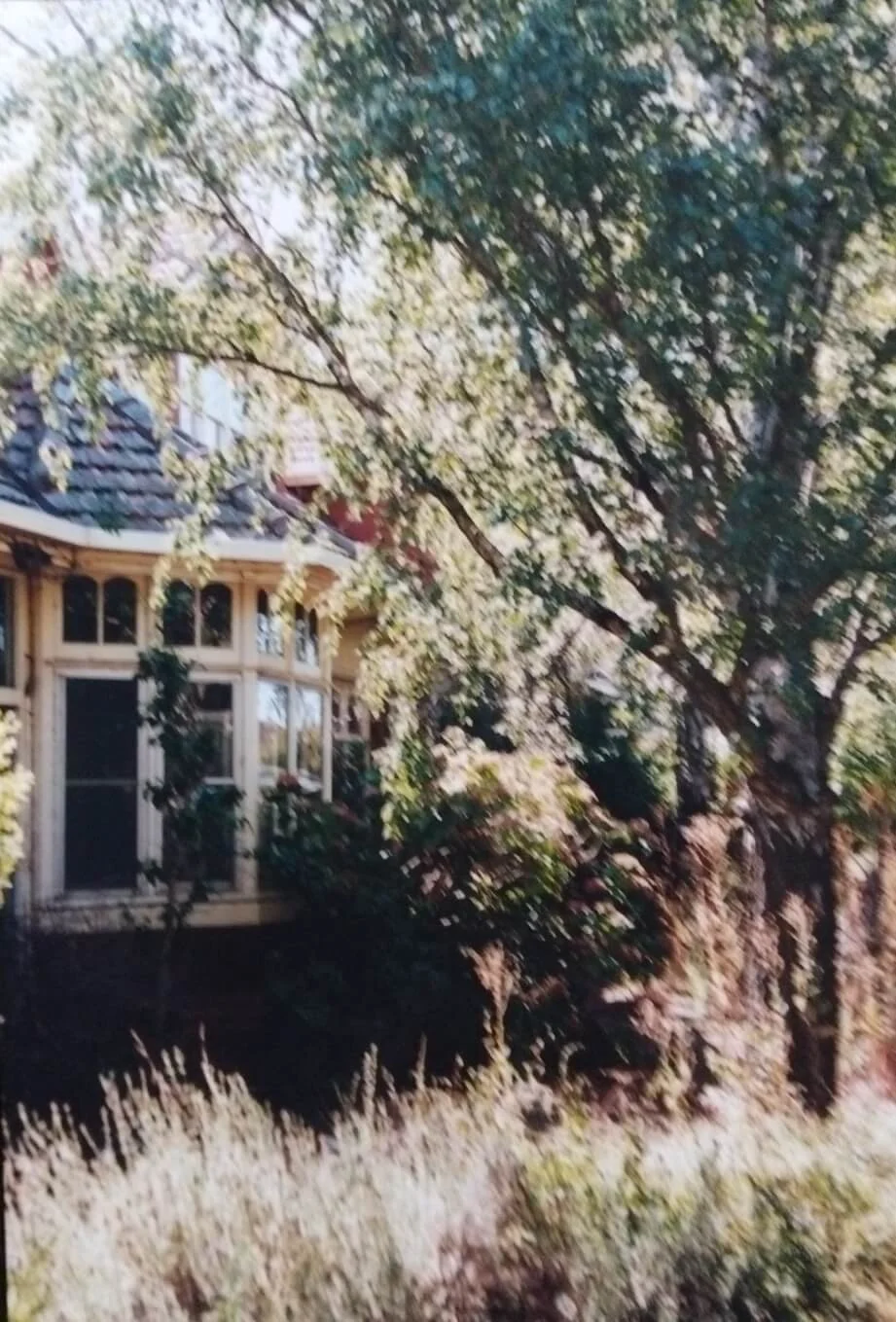
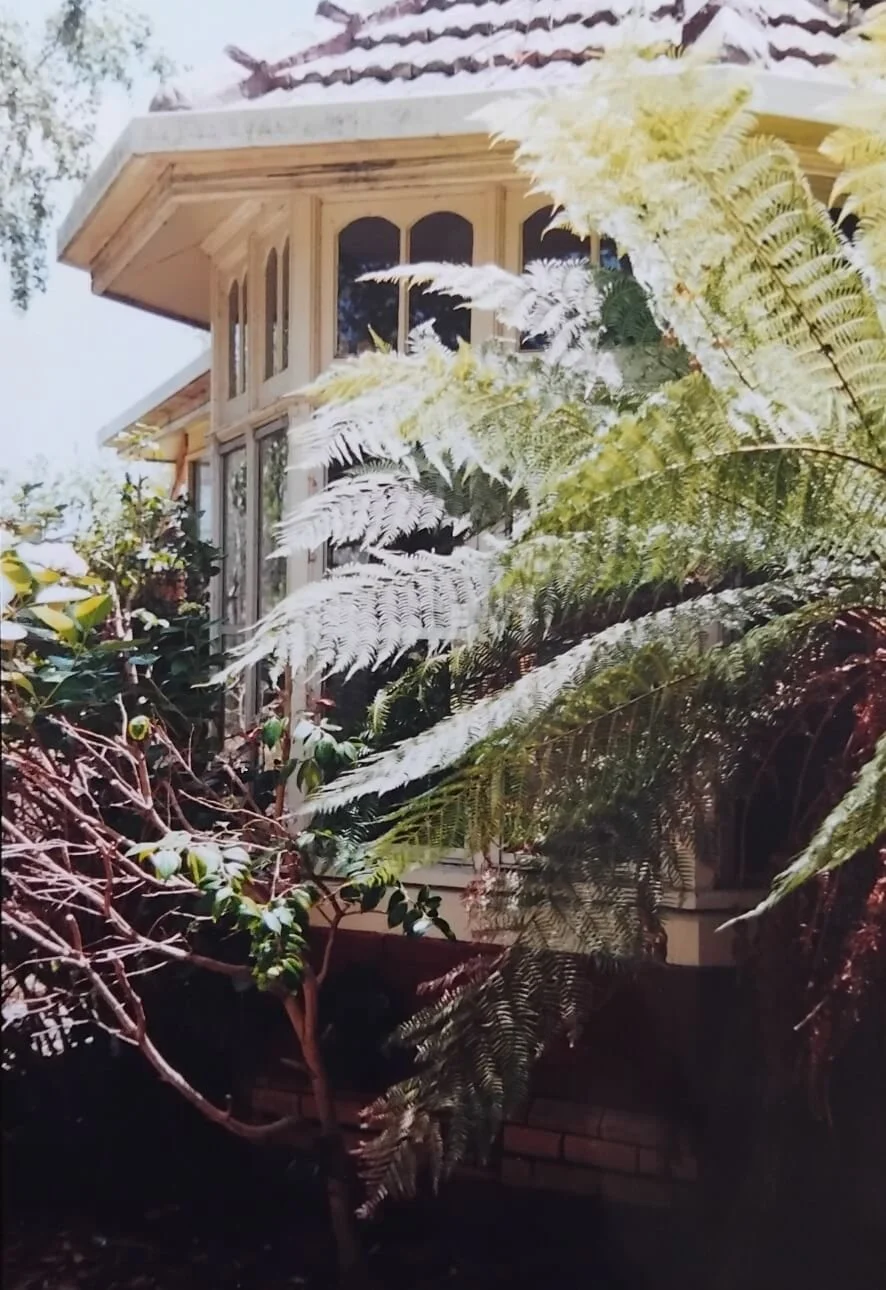
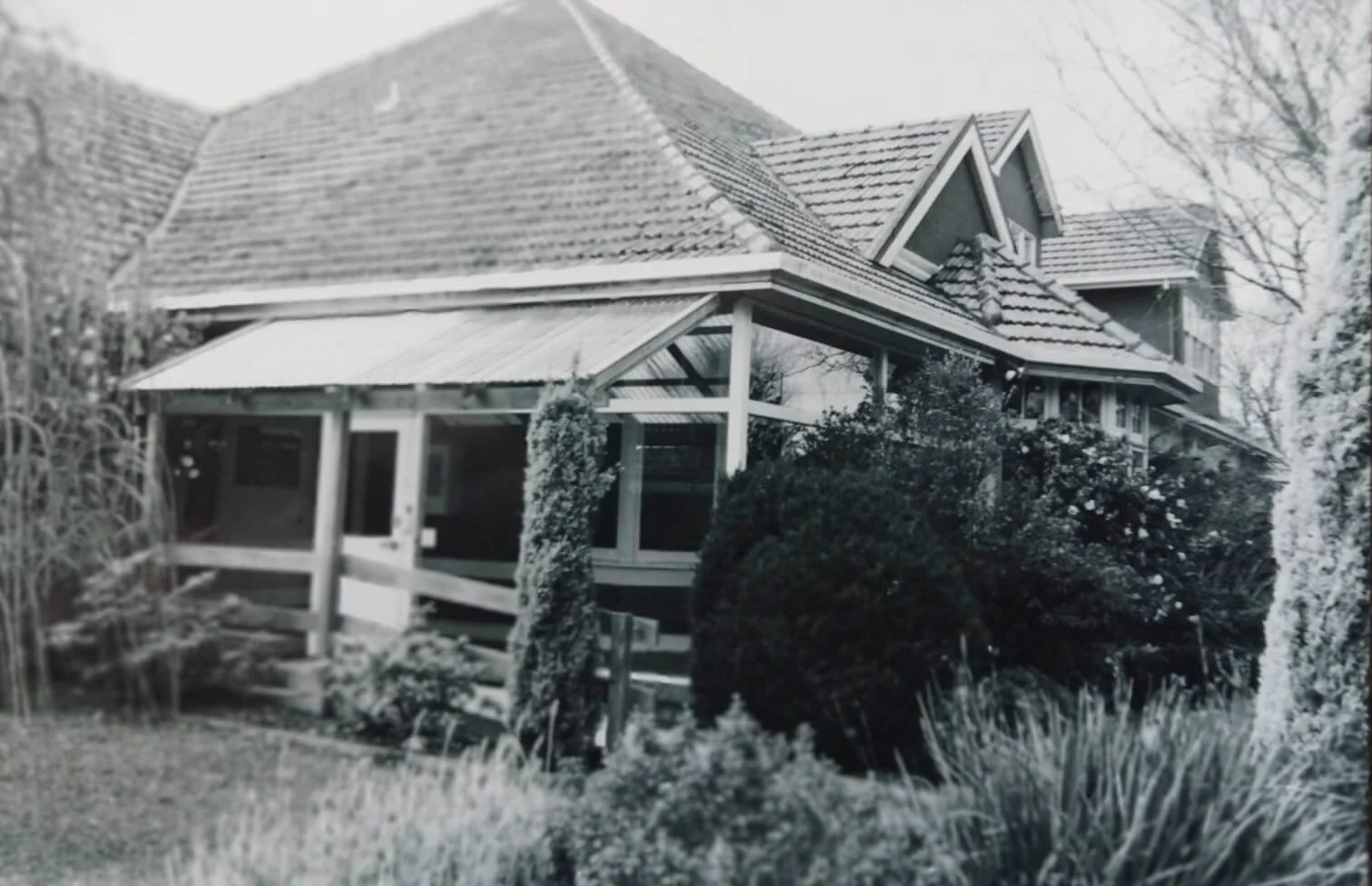
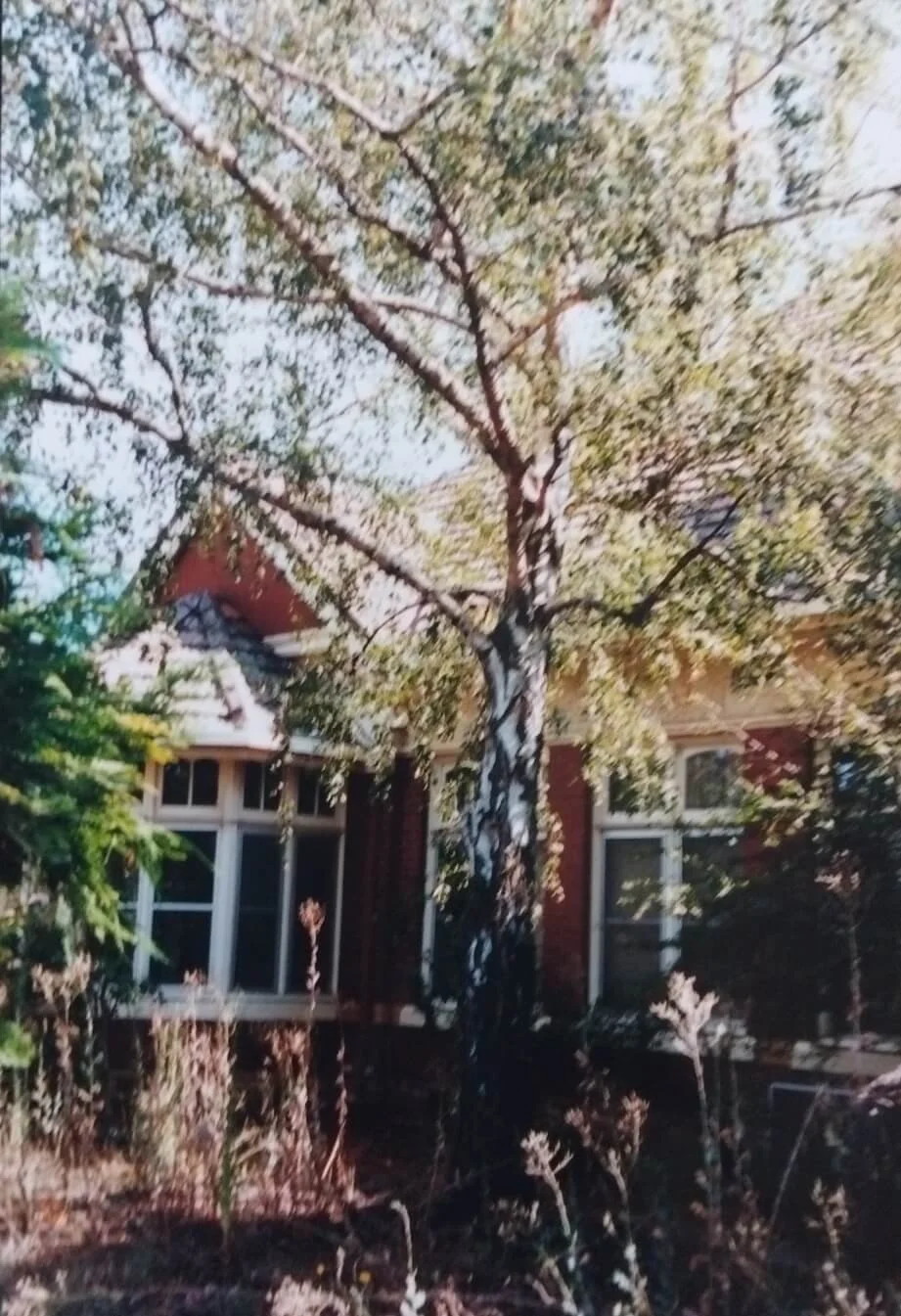
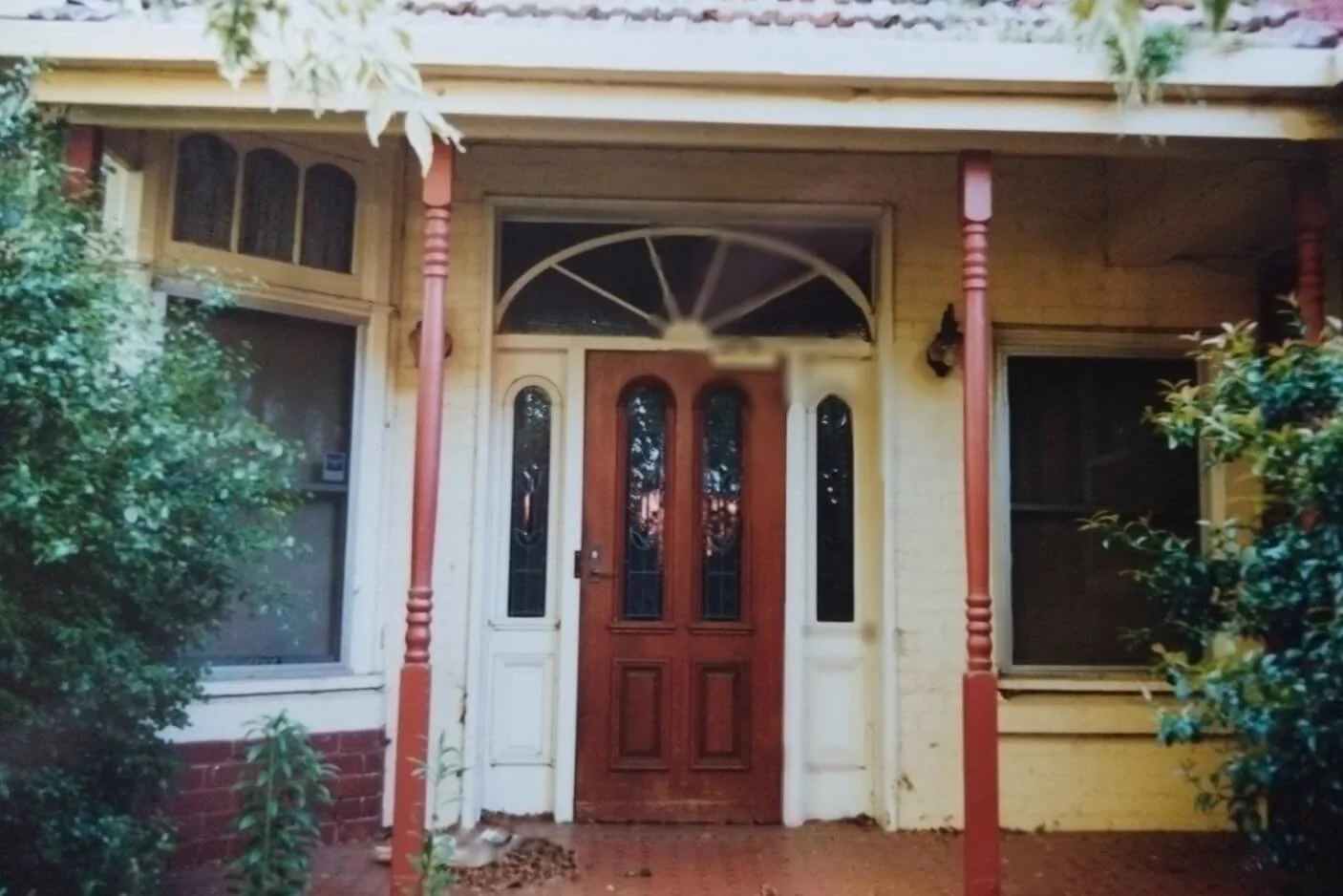
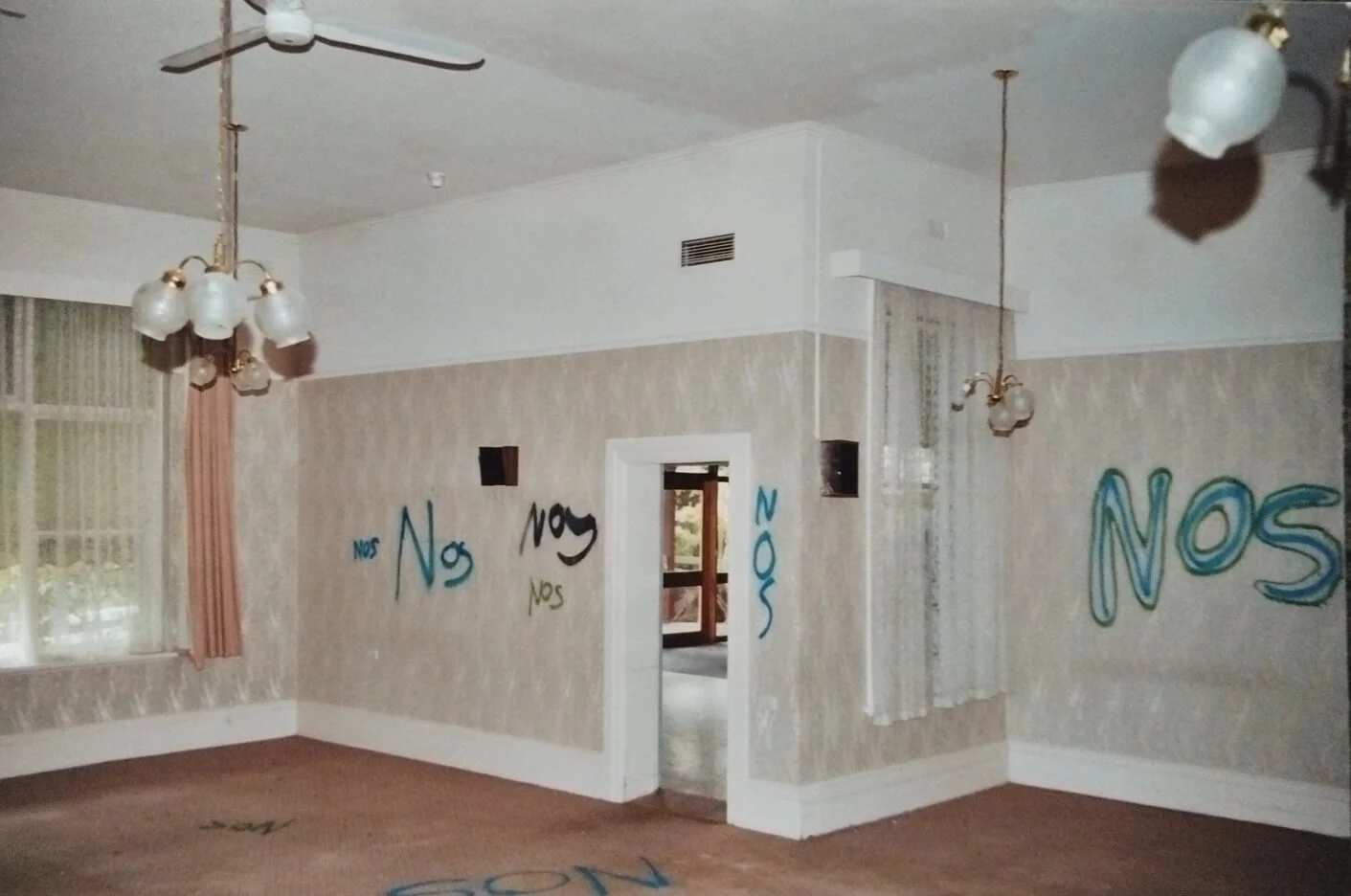
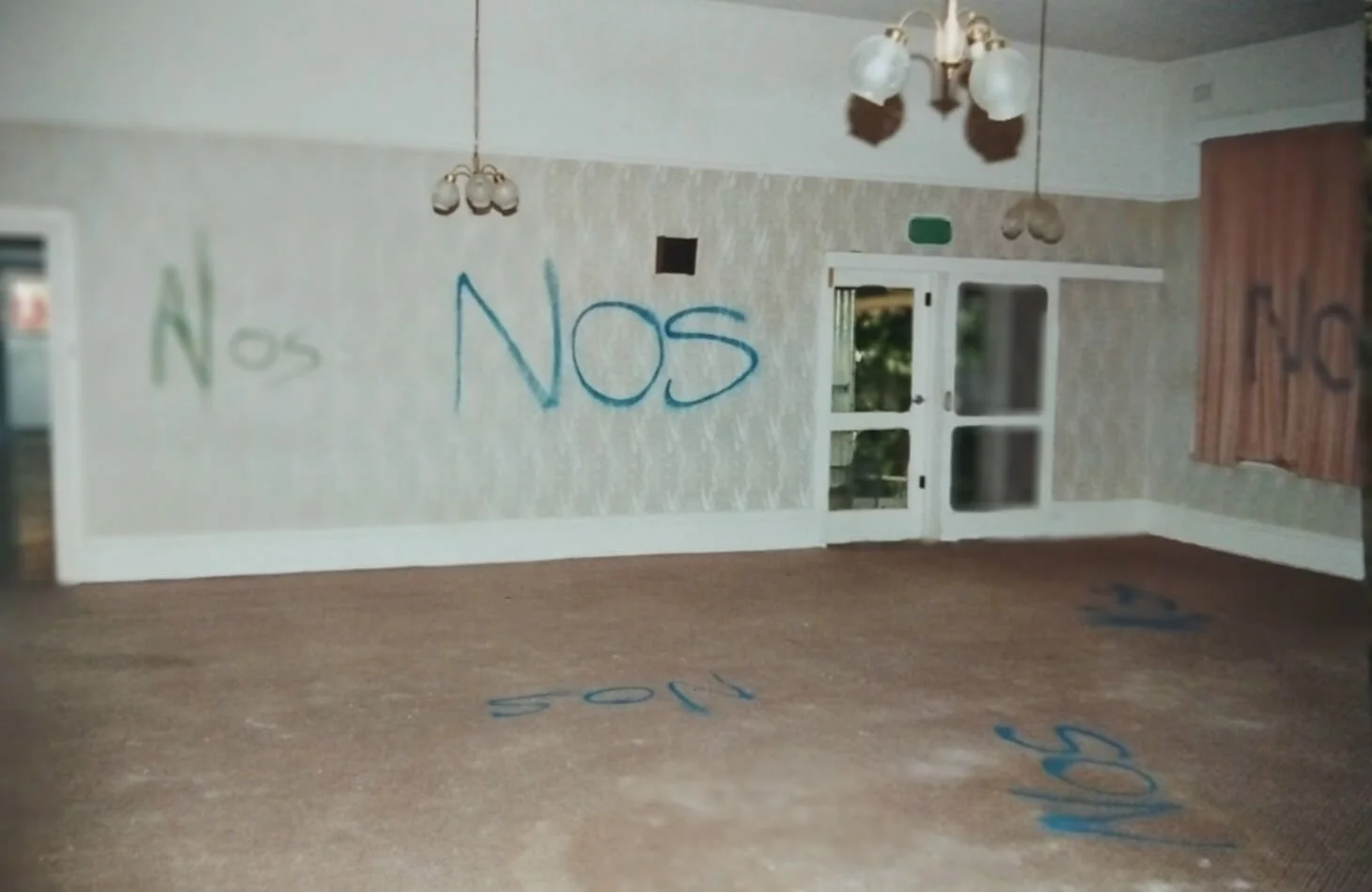
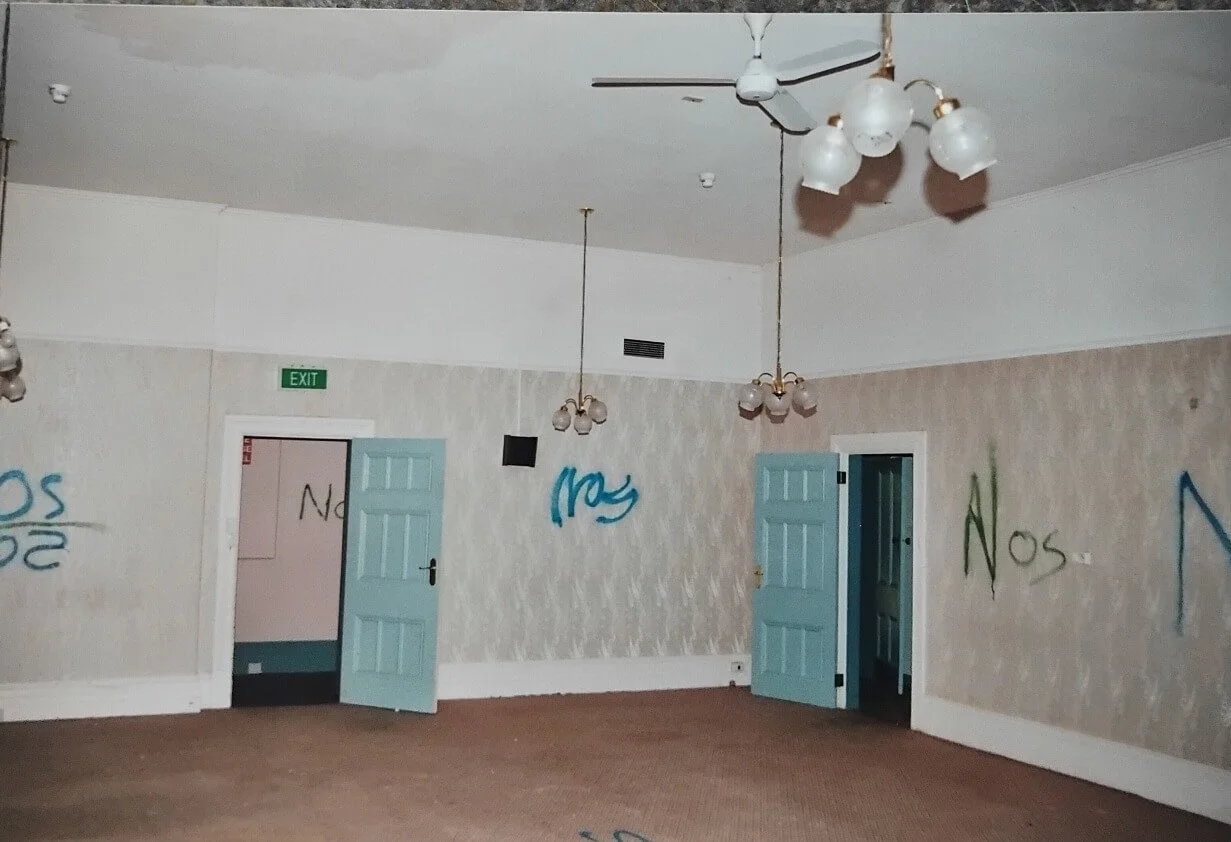
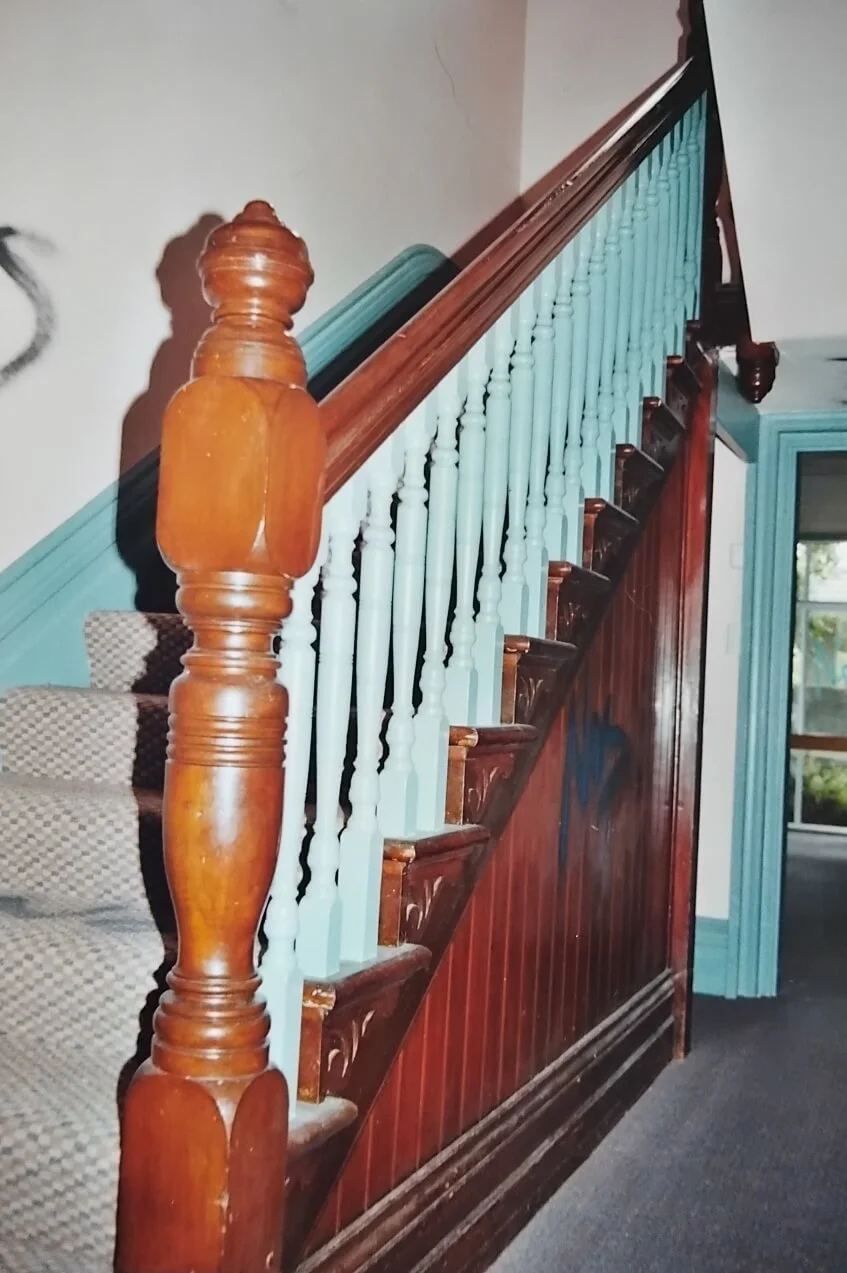
In late 2001, a sign went up announcing to the world that the site was to be developed for apartments. Knowing that the building was one of few surviving Murrumbeena mansions and was about to be demolished, I began to photograph it. At some stage I was joined by my friend, Paul who is as curious about such things as I. Some people are just naturally drawn to relics; Paul and I are two of them.
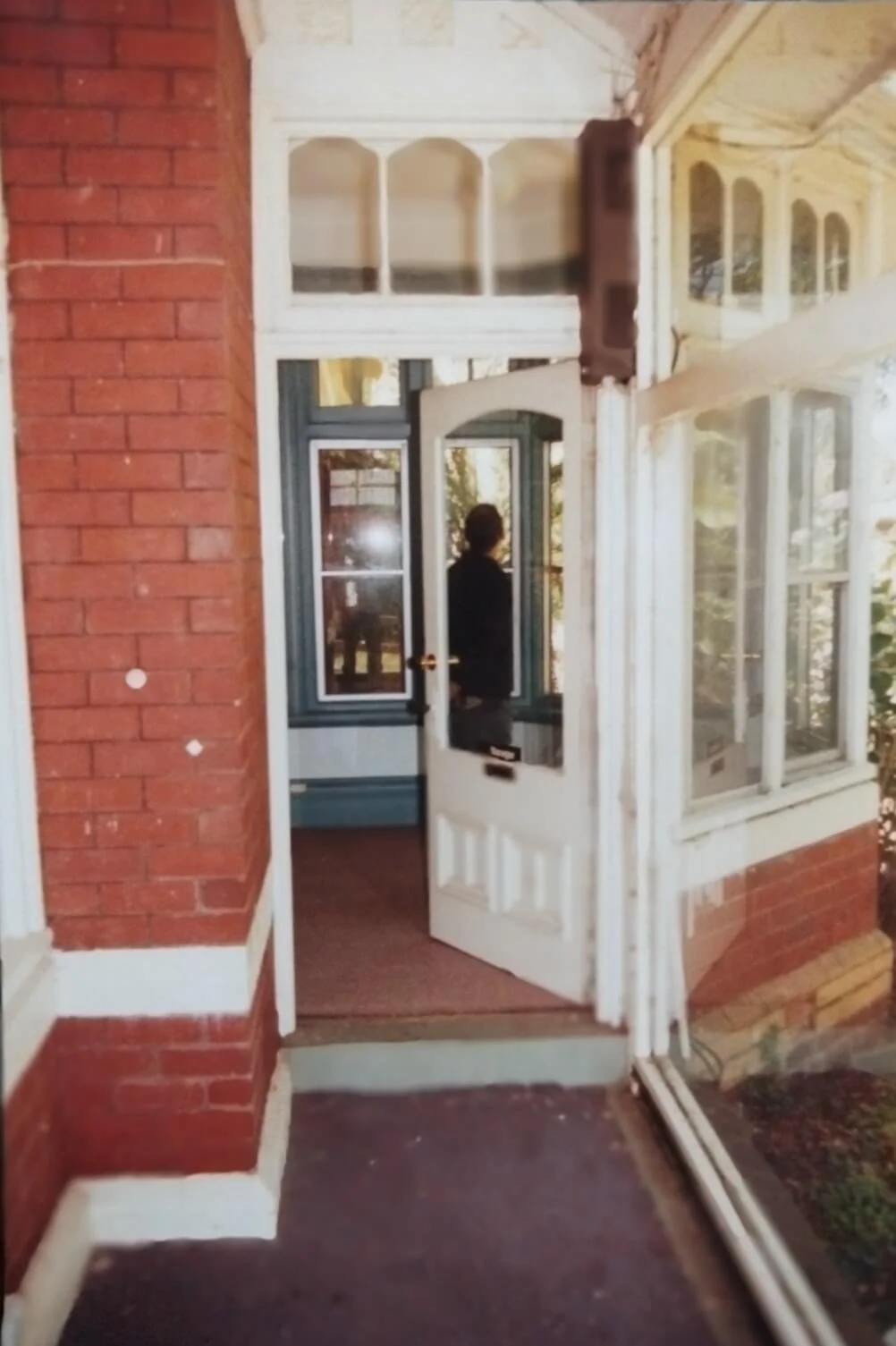
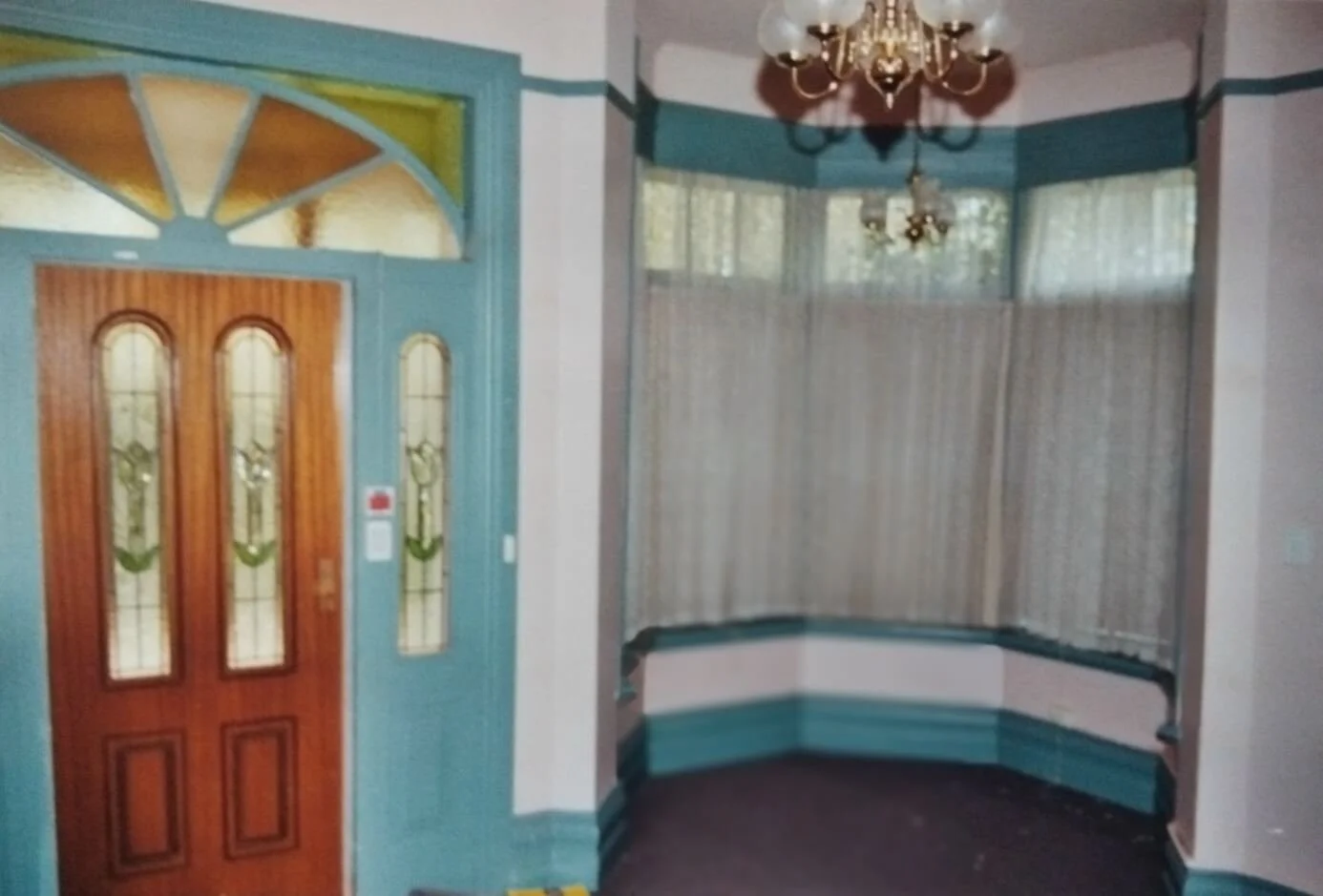
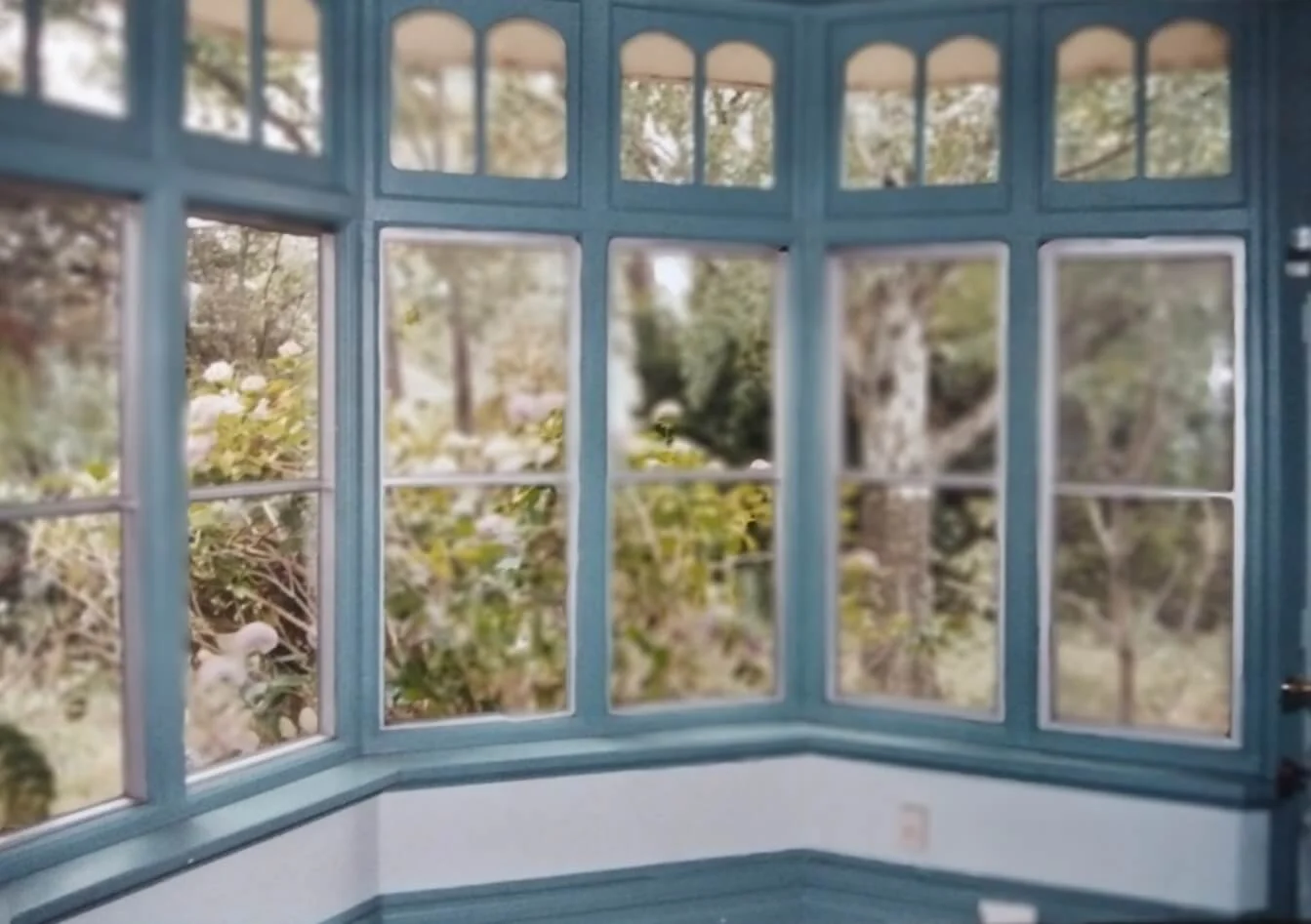
It took some work to get into Oakdene, but I/we did. The interior was intact but looking old and heavily graffitied. I/we took photos of the building, inside and out. It seemed like not long afterwards that the building was demolished and apartments constructed upon it.
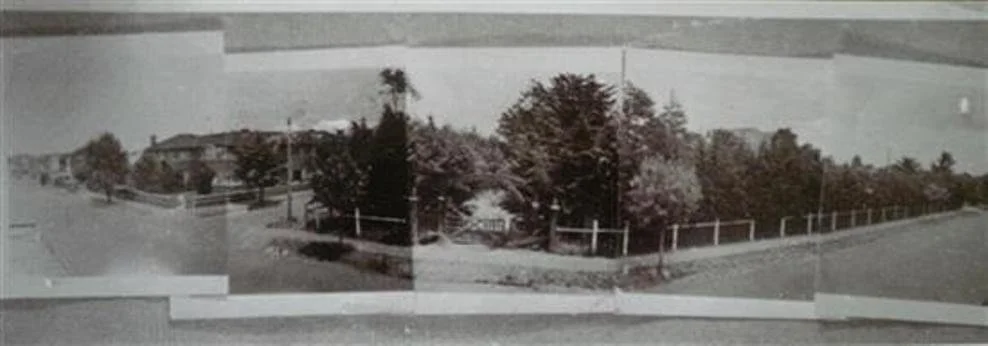
Oakdene as Cumloden Junior Grammar School c. 1950.
The thing about collecting history and photographing it is that you almost never think much of what you’ve recorded until much later. Then, you realize that you’ve caught a little piece of a moving world; a world in transition from one thing to another. With this realization, the photographs you took seem to mean more. They represent both images of bricks and mortar: the physical nature of things, and, for better or worse, a changing world. That’s what’s on this page; an old building in a changing world.
Oakdene awaiting demolition c. 2000.
There are quite a few people out there like me, trying to record images of that changing world. I know some of them. They are generally people with a sense of both past and future. They want to record the past, knowing that what they’re recording won’t be here in years to come. The value of recording such things is highly subjective. Some might say that it’s an entirely valueless and pointless exercise. Why record what’s going or gone and not coming back? The world has changed. Move on. Others may argue that what is in the past is as important as what is here now. Recording it is valuable for its own implicit reasons, and because it’s the past that guides the future. The real optimists will say that we need the past to learn from mistakes that have been made, so that we can have a better future. What they forget is that the human race never ever learns from its mistakes and that history always repeats itself. So that one just doesn’t hold water.
I’m not exactly sure what I think, but as has been shown by my books, I do like recording the past. And whatever the case, exploring old buildings that have obviously had a big past, and that past is gone, is a great way to spend time.
What follows are some of the photos of Oakdene; a place that saw family life, garden parties, church services, teachers and students, old people, and a whole lot more. Whether these photographs have value or not, matters not. I enjoyed taking them.
The last days of Oakdene